
info@konokonosafaris.com
+255 677 959 701
Destination
Where Forest, Lakes and Mountain Landscapes Converge
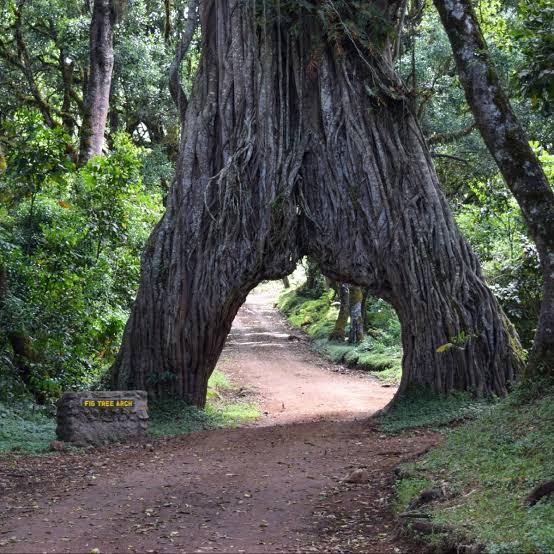
Arusha National Park is a compact but remarkably diverse protected area in northern Tanzania, positioned around the slopes of Mount Meru and within easy reach of Arusha city. The park brings together several distinct landscapes, from montane forest and open grasslands to the tranquil Momella Lakes and the rugged volcanic terrain of Mount Meru.
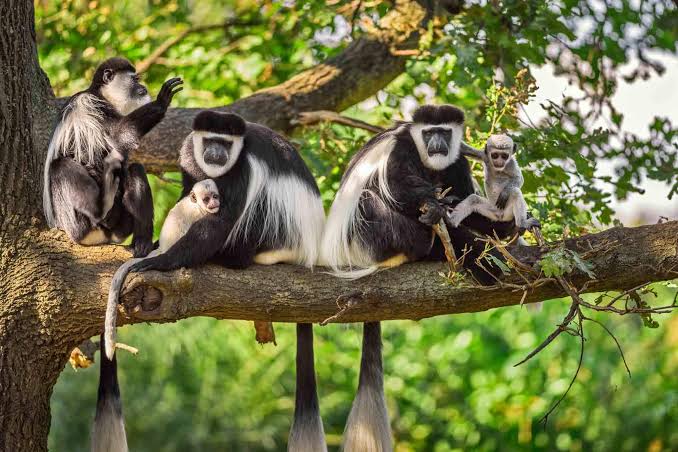
Although it does not carry the same scale of wildlife concentration as Serengeti or Ngorongoro, its strength lies in ecological variety, scenery and the range of activities available within a relatively small area. Giraffes, buffaloes, zebras, warthogs, antelope and numerous bird species inhabit the lower landscapes, while the forested slopes support primates including black-and-white colobus monkeys. Mount Meru adds a major trekking dimension, rising to 4,566 metres above sea level and providing an impressive highland setting. For travellers arriving in Arusha, the park offers a convenient introduction to Tanzania’s landscapes and wildlife before continuing toward the larger safari destinations.
Ready to plan Your Adventure?
Whatever you want from your trip, our team of expert travel designers are ready to help.
Arusha National Park Facts
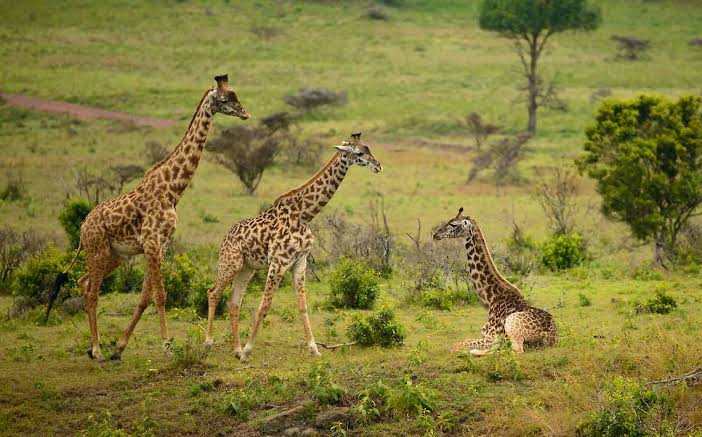
Arusha National Park supports a varied collection of wildlife across its forest, woodland and open grassland habitats. Giraffes are among the park’s most recognisable animals, often appearing across the open plains, while buffalo, zebra, warthog, bushbuck, waterbuck, impala and several smaller antelope species can also be observed.
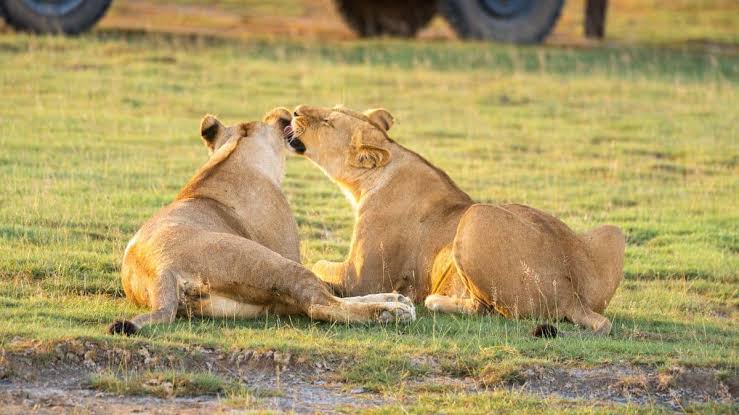
The forested areas are particularly valuable for primate viewing, with black-and-white colobus monkeys and blue monkeys among the notable species. Elephants occur in the park, although sightings are less predictable than in some of Tanzania’s larger wildlife areas. Leopards and other predators are also present but are generally more elusive.
The park’s compact geography makes it possible to experience several habitat types during a single game drive, with Mount Meru providing a distinctive backdrop throughout much of the landscape.
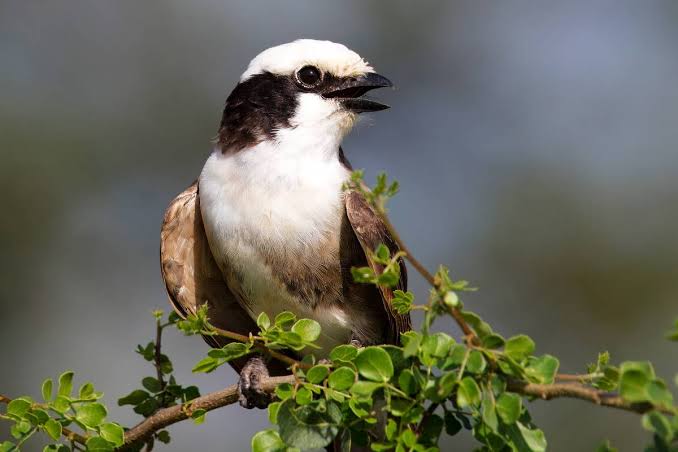
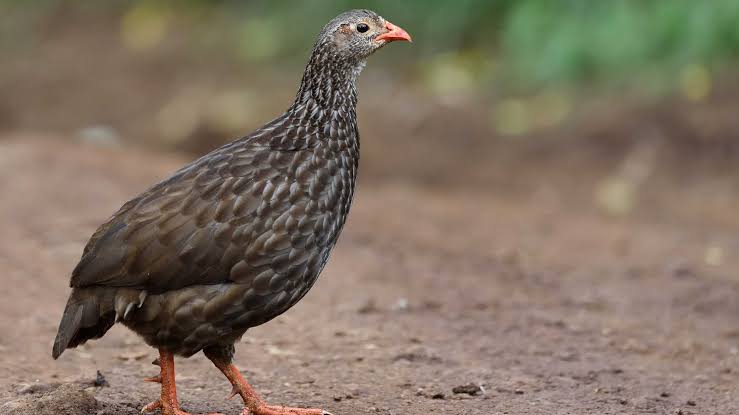
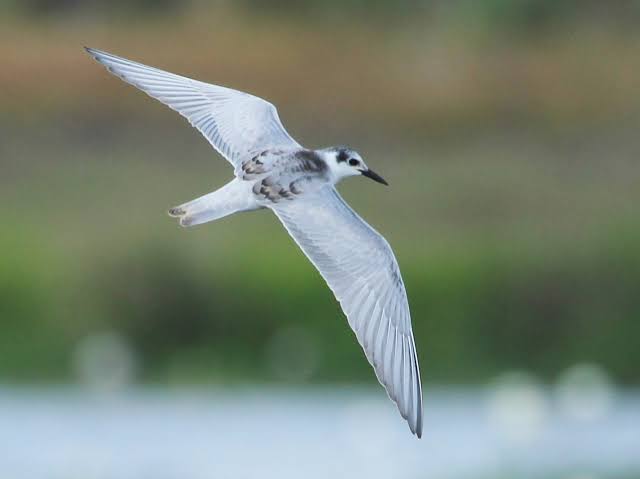
Arusha National Park is an important birding destination because its elevation range creates several different ecological zones within a relatively small area. The Momella Lakes attract water-associated birds, while the montane forests and woodland provide habitat for forest species and colourful highland birds.
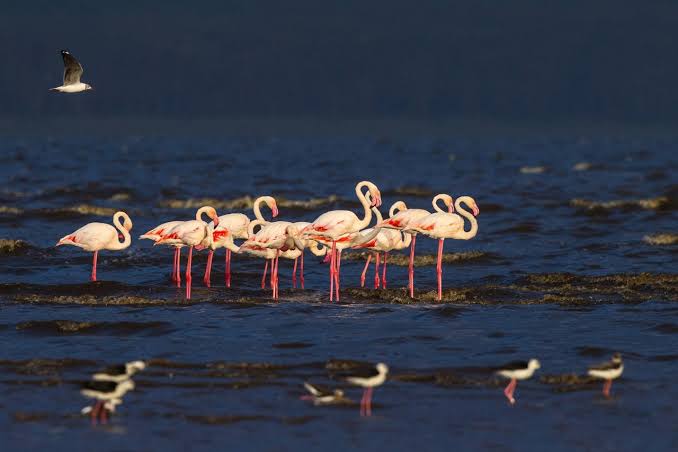
Flamingos may be seen around the alkaline lakes when conditions are favourable, alongside pelicans, herons, egrets, African fish eagles and numerous smaller species. The forested slopes are particularly interesting for birders searching for species associated with montane environments. Migratory birds add further variety during the wetter months, making the park worthwhile for travellers who want to include birdwatching alongside a conventional wildlife safari.
Ready to plan Your Adventure?
Whatever you want from your trip, our team of expert travel designers are ready to help.
Game Drives
Game drives provide access to the park’s open plains, woodland and Momella Lakes. The relatively short distances between habitats make Arusha National Park suitable for half-day or full-day wildlife excursions.
Mount Meru Trekking
Mount Meru is the park’s defining highland feature and Tanzania’s second-highest mountain. The trek offers a more demanding alternative to a conventional safari, passing through forest, moorland and high-altitude landscapes before reaching Socialist Peak at 4,566 metres.
Walking Safaris
Walking safaris provide a closer appreciation of the smaller details of the landscape, including plants, tracks, birds and animal behaviour. They must be conducted with an authorised ranger or according to current park regulations.
Canoeing on Momella Lakes
Canoeing on the Momella Lakes provides a quieter way to experience the park. Depending on current conditions and authorised operations, visitors can observe waterbirds and wildlife from the lakes while taking in views toward Mount Meru.
Bird Watching
The park’s combination of lakes, forest, woodland and montane habitats creates strong conditions for birdwatching. It is particularly suitable for travellers who want to combine a short safari with a dedicated birding experience.
Ready to plan Your Adventure?
Whatever you want from your trip, our team of expert travel designers are ready to help.
Tarangire can be visited throughout the year, but the best time for concentrated wildlife viewing is generally during the dry season from June to October.
During these months, water becomes less available across the surrounding areas, encouraging wildlife to gather around the Tarangire River and remaining water sources.
The green season can also be rewarding. The landscape becomes greener, migratory birds arrive and there are fewer visitors in some periods.
June to October
The dry season generally provides comfortable conditions for game drives and walking activities. Visibility across the landscape can also be favourable, particularly on clear days around Mount Meru.
November to December
The short rains bring fresh vegetation and greener scenery. Bird activity increases, and the landscape takes on a more vibrant appearance.
January to February
These months can provide a useful balance between relatively dry conditions and green highland scenery. They are also suitable for travellers combining a safari with Mount Meru trekking, subject to current weather conditions.
March to May
The long rains create lush vegetation and can make some walking and trekking conditions more demanding. The period can nevertheless offer excellent scenery and strong birding opportunities.
For game viewing and easier walking conditions, the drier months are generally practical. For birdwatching and greener landscapes, the wetter periods offer a different character.
Arusha National Park is one of Tanzania’s most accessible national parks. Its location near Arusha city makes it particularly convenient for travellers who want to add a short wildlife experience before or after a longer northern Tanzania safari.
By road, the park can be reached from Arusha in a relatively short transfer, making it suitable for day trips as well as overnight itineraries. Travellers arriving through Kilimanjaro International Airport can also incorporate the park into a northern Tanzania safari before continuing toward Tarangire, Lake Manyara, Ngorongoro or Serengeti.
For Mount Meru trekkers, Arusha National Park serves as the gateway to the mountain’s established trekking routes.
Arusha National Park is valuable because it offers an unusually broad range of landscapes and activities close to a major Tanzanian safari hub. A traveller can experience wildlife, montane forest, crater scenery, lakes and mountain terrain within the same protected area. This diversity gives the park a character quite different from the expansive savanna environment of Serengeti.
It is particularly suitable for travellers with limited time, photographers interested in landscapes and wildlife, birdwatchers, and visitors looking to combine a safari with Mount Meru trekking. Its proximity to Arusha also makes it an effective starting point for exploring northern Tanzania without committing to a long transfer on the first day.
What is Arusha National Park famous for?
Arusha National Park is known for Mount Meru, Momella Lakes, montane forests, diverse birdlife and a range of wildlife including giraffes, buffaloes, zebras and several primate species.
Where is Arusha National Park located?
The park is located in northern Tanzania, close to Arusha city and around the lower slopes and eastern side of Mount Meru.
Can I see wildlife in Arusha National Park?
Yes. The park supports giraffes, buffaloes, zebras, warthogs, antelope, primates and other wildlife. Predator sightings are possible but generally less predictable than in Tanzania’s major predator-rich safari destinations.
Is Arusha National Park good for a day safari?
Yes. Its proximity to Arusha makes it particularly suitable for a full-day safari, although staying overnight allows more time for walking, canoeing or other activities.
Can I climb Mount Meru from Arusha National Park?
Yes. Mount Meru is located within the park, and established trekking routes lead toward the summit at approximately 4,566 metres above sea level.
Is Arusha National Park suitable for birdwatching?
Yes. Its combination of montane forest, woodland, grassland and lakes creates habitats for a wide variety of bird species.
Can I see Mount Kilimanjaro from Arusha National Park?
On clear days, views toward Mount Kilimanjaro may be possible from suitable locations, although Mount Meru is the dominant mountain feature within the park.
Can Arusha National Park be combined with Serengeti?
Yes. It can be used as an introductory or concluding destination within a northern Tanzania itinerary that continues to Tarangire, Ngorongoro and Serengeti.
Plan Your Trip to Arusha National Park
Planning a visit to Arusha National Park depends largely on how much time you have and whether wildlife or mountain activities are your priority. For a short visit, a full-day game drive can cover the main wildlife areas and Momella Lakes. Travellers with additional time can combine game drives with walking or canoeing, creating a more varied experience than a conventional vehicle safari.
For trekkers, Mount Meru requires a separate multi-day plan, with appropriate preparation for altitude, changing temperatures and mountain conditions. The mountain can also serve as useful acclimatisation before a Kilimanjaro climb, although trekking schedules should be designed according to the traveller’s specific route and experience.
A broader northern Tanzania safari can place Arusha National Park at the beginning of the journey, followed by Tarangire, Lake Manyara, Ngorongoro and Serengeti. This creates a logical progression from the highland landscapes around Arusha into the wider savanna ecosystems farther west.
Plan Your Arusha Safari
From close encounters with giraffes and colobus monkeys to landscapes framed by the majestic slopes of Mount Meru, Arusha National Park offers a distinctive side of Tanzania’s wilderness. Whether you are planning a short wildlife escape or a longer Northern Tanzania safari, Arusha National Park can be carefully combined with other destinations to create a journey that matches your interests, travel style and available time.
Plan your Arusha National Park safari and discover one of Tanzania’s most diverse wildlife landscapes.
Ready to plan Your Adventure?
Whatever you want from your wildlife adventure, our team of expert safari designers is ready to help you create an unforgettable journey.