
info@konokonosafaris.com
+255 677 959 701
Destination
Where the Wild Still Moves by Its Own Rhythm
Serengeti National Park is the defining landscape of Tanzania’s northern safari circuit, a vast
protected wilderness where open grasslands, rocky kopjes, riverine habitats and wooded plains support one of Africa’s richest concentrations of wildlife. Covering about 1.48 million hectares, the park forms the heart of the wider Serengeti ecosystem and is internationally
recognised as a UNESCO World Heritage Site.
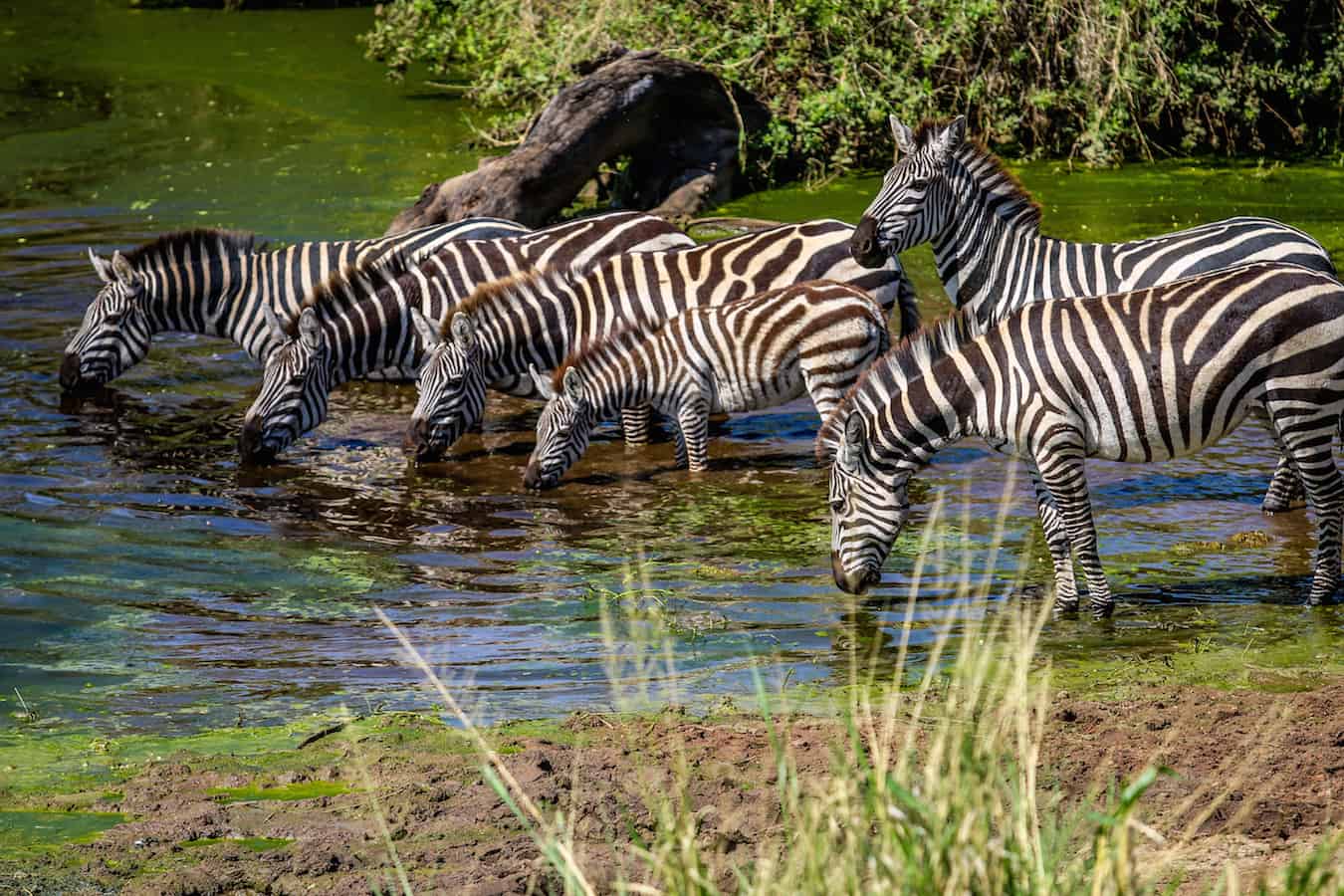
Its greatest distinction is the annual movement of more than a million wildebeest together with large numbers of zebra and gazelle, following seasonal rainfall and fresh grazing across the ecosystem.
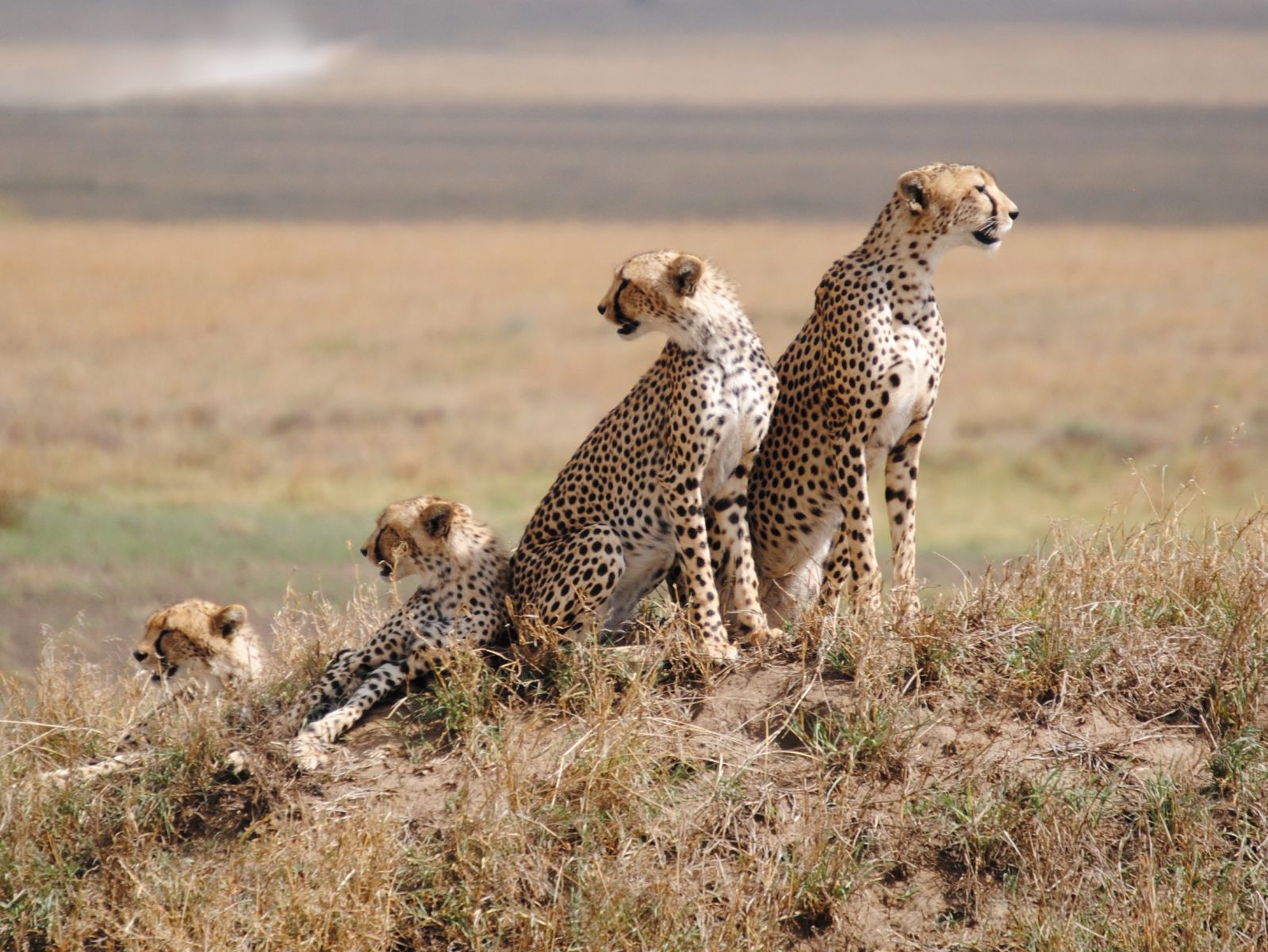
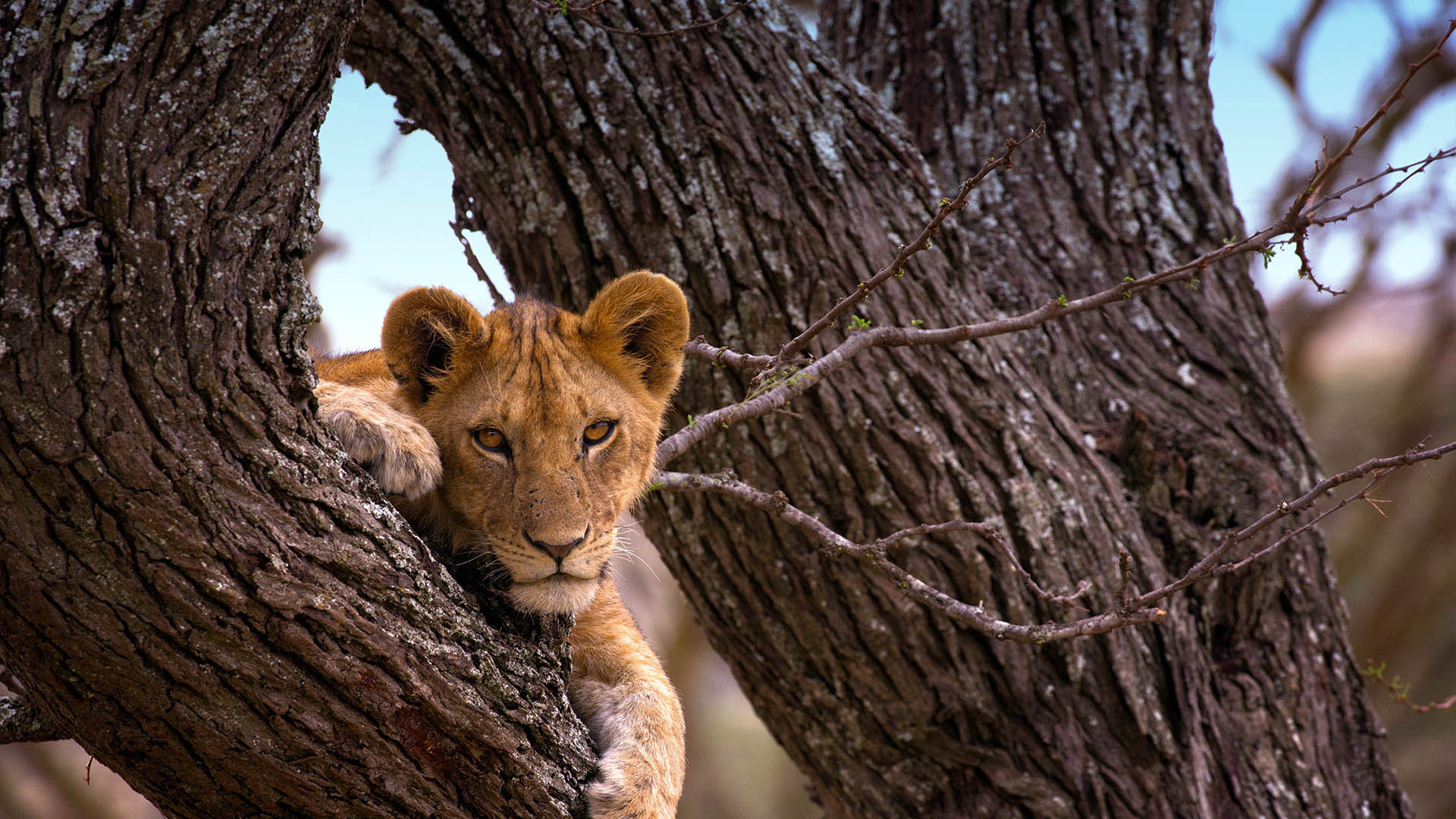
Yet Serengeti is far more than the Great Migration: resident lions, leopards, cheetahs, elephants, buffaloes, giraffes, hippos and numerous antelope species make the park rewarding throughout the year.
Ready to plan Your Adventure?
Whatever you want from your trip, our team of expert travel designers are ready to help.
Serengeti National Park Facts
Serengeti offers an exceptional wildlife-viewing environment because its varied habitats sustain both migratory herds and substantial populations of resident animals. The plains are particularly associated with wildebeest, zebra and Thomson’s gazelle, while predators such as lion, leopard, cheetah, spotted hyena and African wild dog form an important part of the ecosystem.
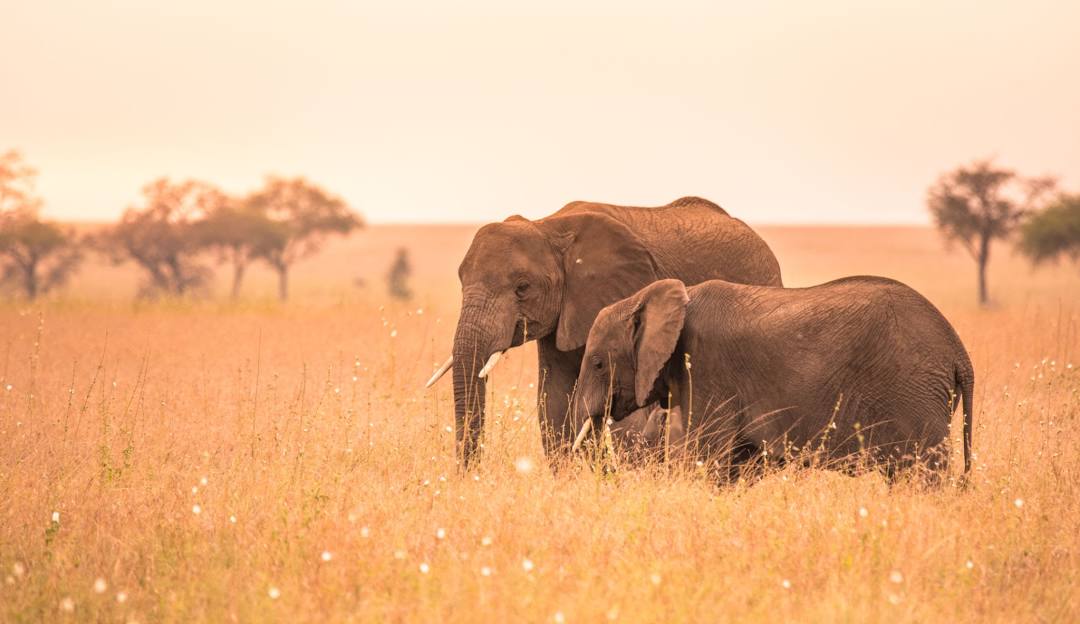
Visitors may also encounter elephant, buffalo, giraffe, warthog, hippo and several antelope species, with wildlife distribution changing according to rainfall, vegetation and water availability. UNESCO identifies Serengeti as one of the world’s important landscapes for large predator–prey interactions and notes populations of globally threatened species including black rhinoceros, African elephant, cheetah and wild dog.
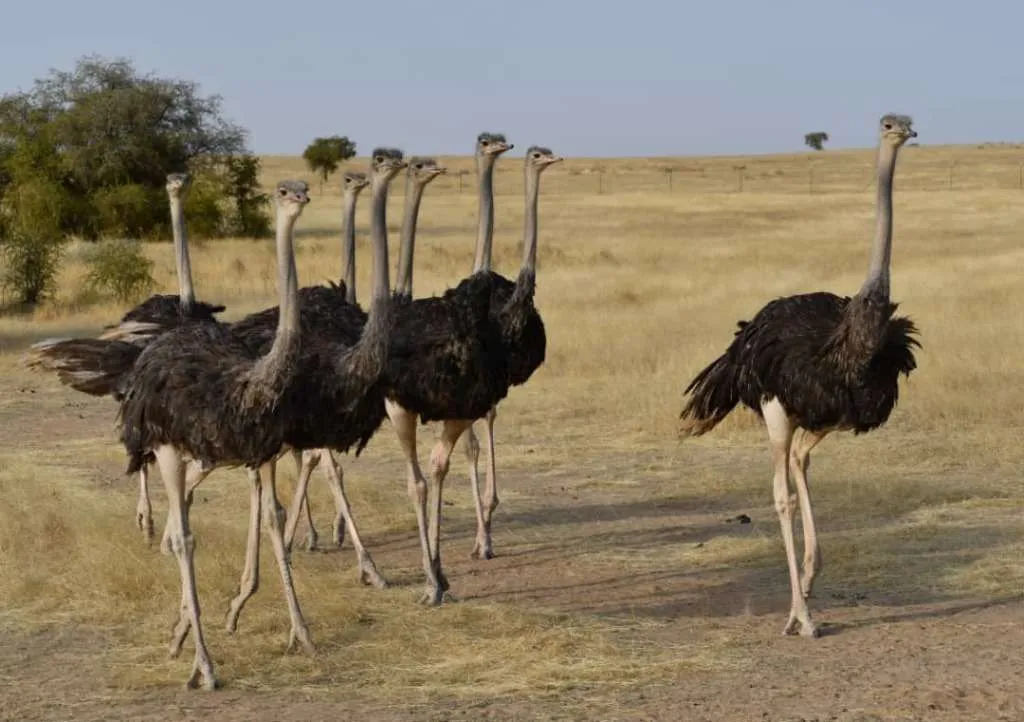
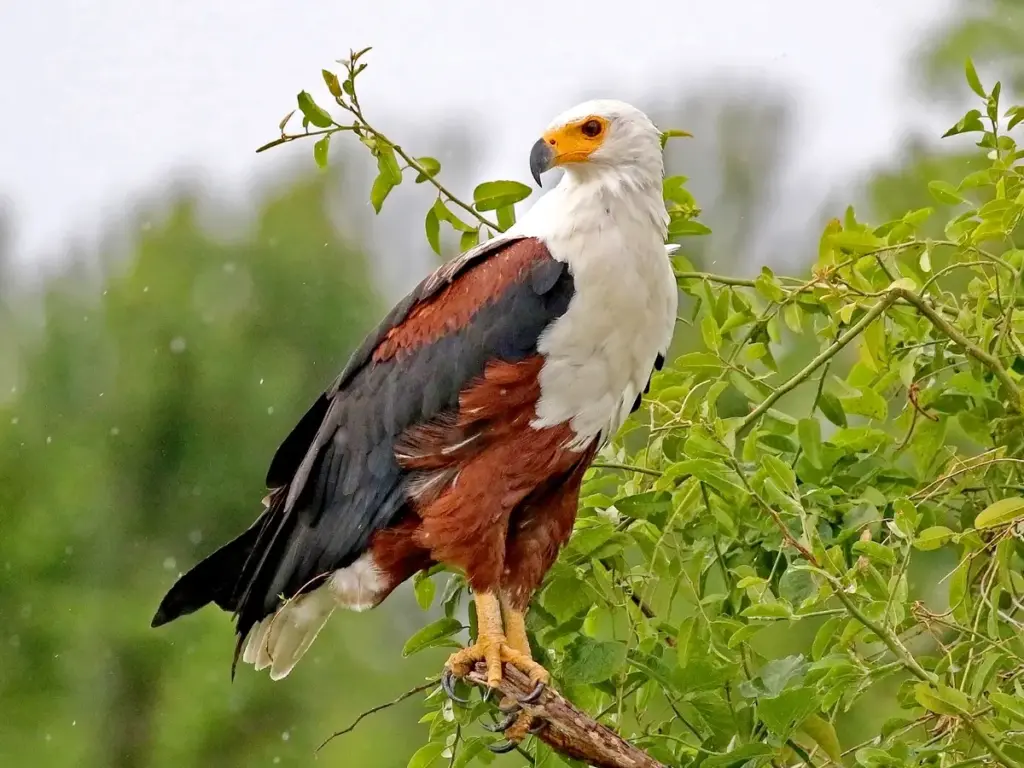
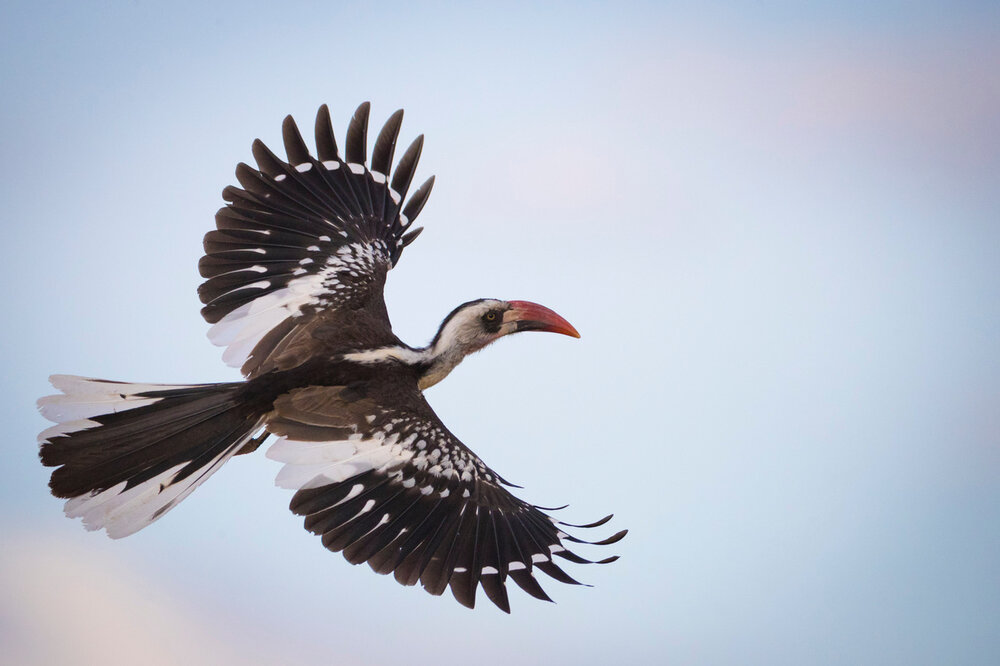
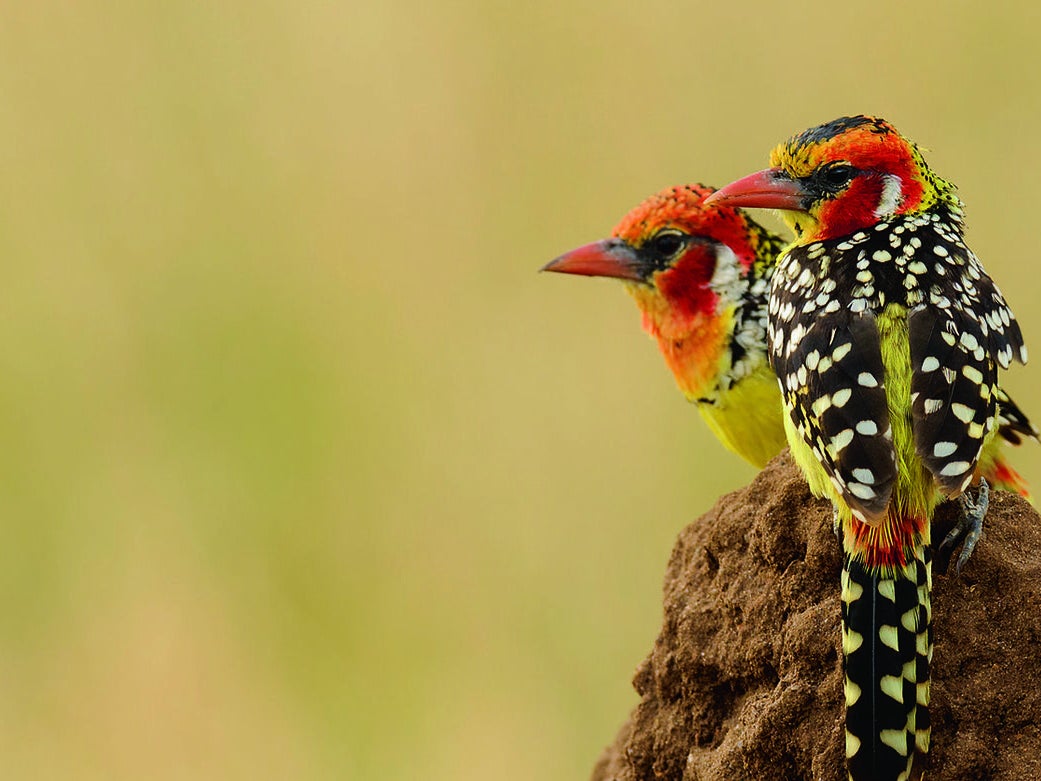
Serengeti is equally significant for bird enthusiasts, with more than 500 bird species recorded as resident or seasonal visitors. The park’s combination of open plains, woodlands, wetlands,rivers and rocky habitats creates suitable conditions for a wide range of raptors, ground birds, water-associated species and colourful savanna birds.
The ostrich is particularly notable, with Serengeti supporting one of Tanzania’s most important populations. Seasonal changes also influence birding: the wetter and greener periods bring increased bird activity and the presence of migratory species, making Serengeti a strong destination for travellers combining big-game viewing with serious bird photography.
Ready to plan Your Adventure?
Whatever you want from your trip, our team of expert travel designers are ready to help.
Game Drives
Game drives remain the principal way to explore Serengeti. Early morning drives are particularly valuable for observing predators and other wildlife when temperatures are cooler, while afternoon drives reveal changing animal behaviour across the plains and woodland areas.
The Great Migration Safari
Following the wildebeest migration requires understanding its seasonal movement rather than relying on a single fixed location. The herds circulate through the wider Serengeti–Mara ecosystem in response to rainfall, grazing and water. A well-planned itinerary therefore places travellers in the appropriate sector at the appropriate period.
Hot-Air Balloon Safari
A balloon safari provides an elevated perspective over the Serengeti landscape, particularly around the plains and wildlife-rich areas. It is a specialist experience and should be arranged as part of the safari itinerary in advance.
Bird Watching and Wildlife Photography
With more than 500 recorded bird species and extensive open landscapes, Serengeti offers strong opportunities for bird photography and wildlife photography. Longer stays also provide more flexibility to work with changing light, animal behaviour and seasonal movements.
Scenic and Cultural Experiences
Depending on the itinerary and authorised areas, travellers can combine Serengeti with neighbouring destinations such as Ngorongoro Conservation Area and other parts of northern Tanzania, creating a broader safari circuit rather than treating the park as an isolated destination.
Ready to plan Your Adventure?
Whatever you want from your trip, our team of expert travel designers are ready to help.
Serengeti can be visited throughout the year, but the most suitable period depends on the type of safari experience being planned. TANAPA identifies June to September and December to early March among the stronger periods for visiting, while October and November bring shorter rains and March to May generally receive heavier rainfall.
June to October
Generally favourable for wildlife viewing, with drier conditions making animals easier to locate around remaining water sources. This period also coincides with important stages of the migration in different parts of the ecosystem.
November to December
The landscape becomes greener following the short rains, creating attractive scenery and good conditions for birding. Migration patterns continue to respond to rainfall rather than following an exact calendar.
January to March
The southern Serengeti and Ndutu area can become particularly important during the calving
season, when large concentrations of wildebeest gather on nutrient-rich grasslands.
April to May
The long rains transform the plains into a lush landscape. Some roads can become challenging, but the period can offer fewer visitors and dramatic photographic conditions.
The important point is that there is no single month that guarantees a particular migration sighting. The herds respond to natural conditions, so safari planning should consider the intended sector, recent wildlife movement and road accessibility.
Serengeti can be reached by road or by scheduled or chartered safari flight from other destinations in Tanzania. By road, many northern-circuit itineraries enter Serengeti after visiting destinations such as Tarangire, Lake Manyara or Ngorongoro, making the park a natural centrepiece of a longer safari.
Road access provides the opportunity to experience the changing landscape along the journey, while flying reduces travel time and can be particularly practical for shorter or high-end itineraries. TANAPA provides park and route information as part of its visitor-planning resources.
Serengeti deserves a place on a Tanzania safari itinerary because it combines scale, wildlife density, ecological importance and seasonal movement in one exceptionally large landscape. The park is not dependent on a single attraction: the Great Migration is its most famous phenomenon, but resident wildlife, predator encounters, birdlife, dramatic kopjes and expansive savanna create compelling experiences beyond migration season.
Its position within the wider Serengeti ecosystem also means that a thoughtfully designed safari can follow ecological patterns rather than simply ticking off individual parks. UNESCO recognises the area for both its extraordinary natural spectacle and its biological diversity.
Exceptional elephant viewing
Tarangire is one of Tanzania’s best destinations for observing elephants in their natural environment.
Iconic baobab landscapes
Seasonal wildlife concentrations
During the dry season, wildlife gathers around water sources, creating excellent opportunities for game viewing.
Rich birdlife
With more than 550 recorded bird species, Tarangire is a strong choice for birdwatchers.
A quieter safari experience
Compared with some of Tanzania’s better-known parks, Tarangire can offer a more intimate safari atmosphere, particularly when exploring beyond the busiest areas.
Serengeti is best known for the Great Migration, in which huge numbers of wildebeest, zebra and gazelle move through the Serengeti–Mara ecosystem following seasonal changes in grazing and water. The park is also renowned for its resident predators and exceptionally diverse wildlife.
Serengeti National Park is in northern Tanzania and forms the central protected area of the wider Serengeti ecosystem. It is connected ecologically with neighbouring protected areas, including the Ngorongoro Conservation Area and areas extending toward Kenya’s Maasai Mara.
For a first safari, three nights provides a useful balance between travel time and wildlife viewing. Travellers interested in following a particular stage of the migration or exploring multiple sectors may benefit from four or more nights.
Yes. Serengeti is a year-round safari destination. The experience changes with rainfall, vegetation, wildlife movements and seasonal conditions, so the ideal period depends on whether your priority is general wildlife viewing, migration, calving, birding or photography.
The Great Migration operates throughout the year as a continuous ecological cycle rather than as a single annual event occurring in one location. The herds move through different areas in response to rainfall, fresh pasture and water availability.
Serengeti supports lion, leopard, elephant, buffalo and black rhinoceros, although wildlife sightings are naturally unpredictable. The park’s strong predator–prey dynamics make it particularly well suited to observing several major African mammals during a multi-day safari.
Yes. More than 500 bird species have been recorded in the park, including resident and seasonal species. The diversity of habitats makes Serengeti suitable for travellers who want to combine large-mammal safari with bird photography.
Yes. Its combination of extensive wildlife, distinctive landscapes and strong year-round safari value makes it a central destination for many northern Tanzania itineraries. The best itinerary structure depends on the season, number of travel days and whether migration viewing is a priority.
Plan Your To Serengeti
A well-designed Serengeti safari begins with the season and safari objective, rather than simply selecting a number of days. Decide whether your priority is the Great Migration, general wildlife viewing, photography, birding or a private luxury experience, then select the most appropriate Serengeti sector and accommodation style. For a classic northern Tanzania circuit, Serengeti can be combined with Tarangire National Park, Lake Manyara National Park and the Ngorongoro Conservation Area, creating a varied journey across several distinct ecosystems. Before travelling, arrange park entry, accommodation, transport and any
specialist activities in advance, and follow TANAPA’s wildlife and park regulations while in the protected area.
Ready to plan Your Adventure?
Whatever you want from your wildlife adventure, our team of expert safari designers is ready to help you create an unforgettable journey.