
info@konokonosafaris.com
+255 677 959 701
Destination
Where Wildlife Thrives Beneath the Highlands
Ngorongoro Crater is one of Tanzania’s most remarkable wildlife destinations, a vast volcanic caldera enclosed by steep walls and set within the highlands of northern Tanzania. Formed when a large volcano collapsed after a major eruption, the crater now contains a diverse mosaic of grasslands, wetlands, woodland and a permanent soda lake, creating an enclosed ecosystem that supports an impressive concentration of wildlife.
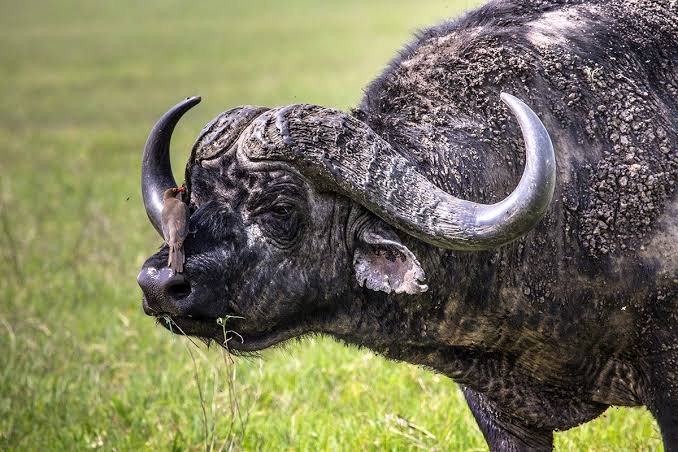
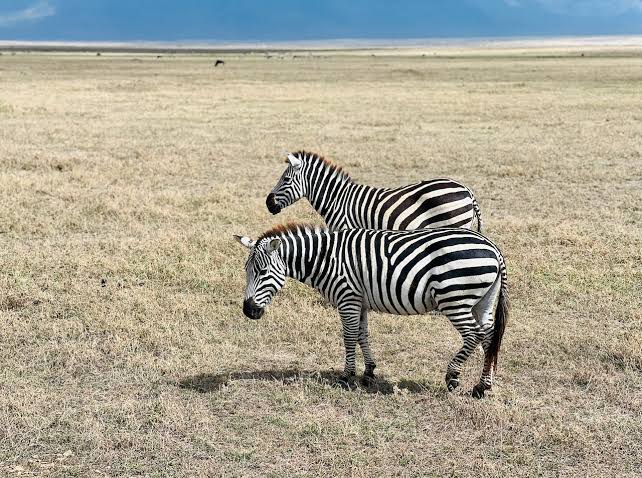
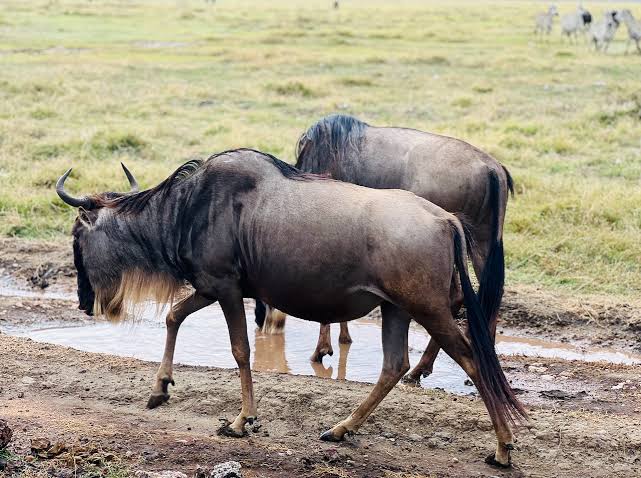
The crater forms part of the wider Ngorongoro Conservation Area, a UNESCO World Heritage Site recognised for its exceptional landscape, biodiversity and archaeological importance. Its fertile crater floor provides habitat for large numbers of zebra, wildebeest, buffalo, hippo, gazelle, elephant and predators such as lion and spotted hyena, while the surrounding highlands add forests, volcanic slopes and Maasai pastoral landscapes to the experience. Unlike the vast horizons of Serengeti, Ngorongoro presents wildlife within a dramatic natural amphitheatre, making a descent into the crater one of the defining experiences of a northern Tanzania safari.
Ready to plan Your Adventure?
Whatever you want from your trip, our team of expert travel designers are ready to help.
Ngorongoro Crater Facts
Ngorongoro Crater is renowned for its high concentration of wildlife within a relatively compact area. The crater floor supports large populations of wildebeest, zebra, buffalo, Thomson’s gazelle, Grant’s gazelle, warthog and hippo, while lions and spotted hyenas are among the principal predators.
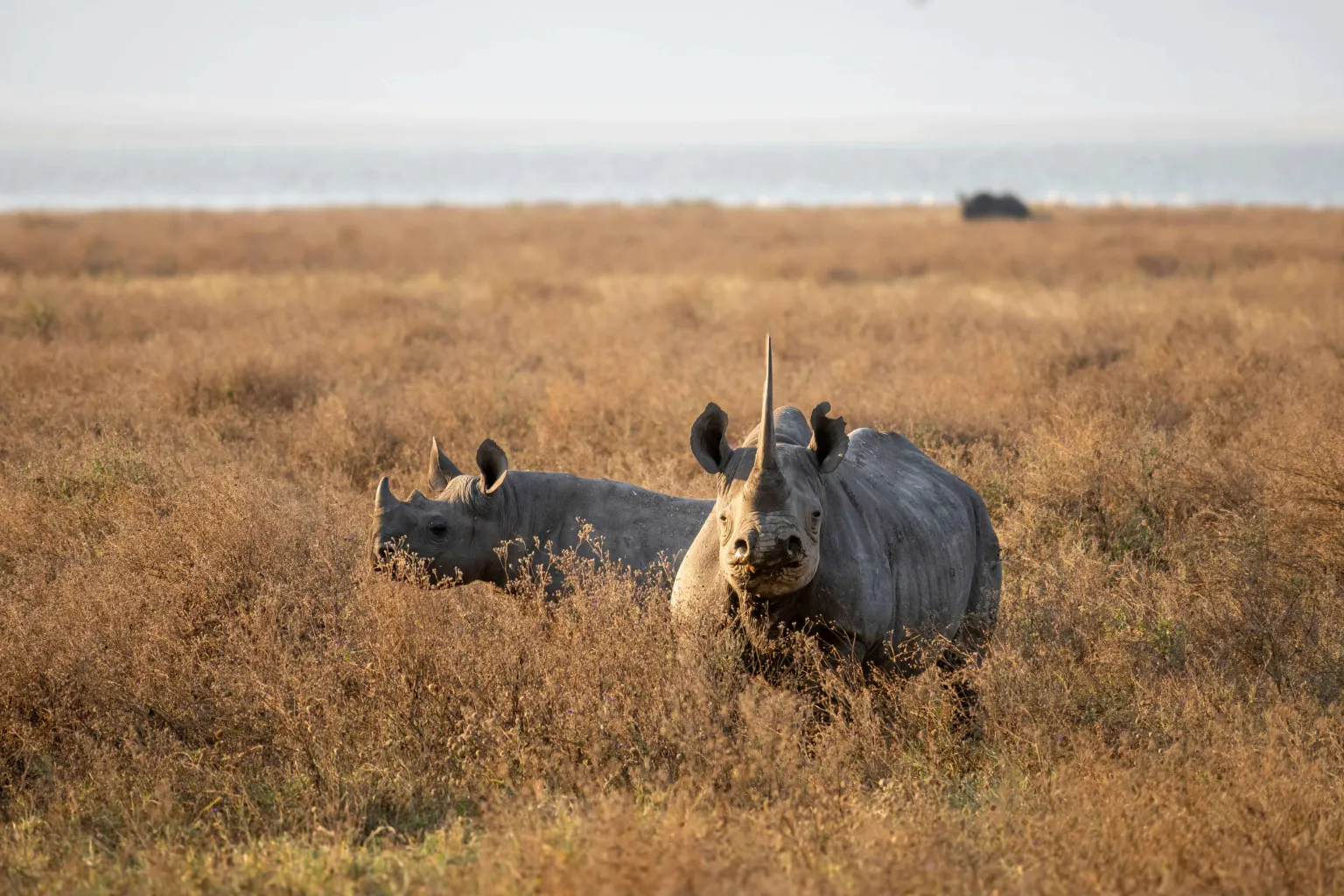
Elephants are more commonly associated with the crater’s surrounding highland forests and slopes, although sightings can occur on the floor. The crater is also one of the places where travellers may have an opportunity to encounter the endangered black rhinoceros, making responsible wildlife viewing particularly important.
The permanent water sources and fertile grazing areas help sustain wildlife throughout the year, although animal distribution still changes according to rainfall, vegetation and seasonal conditions.
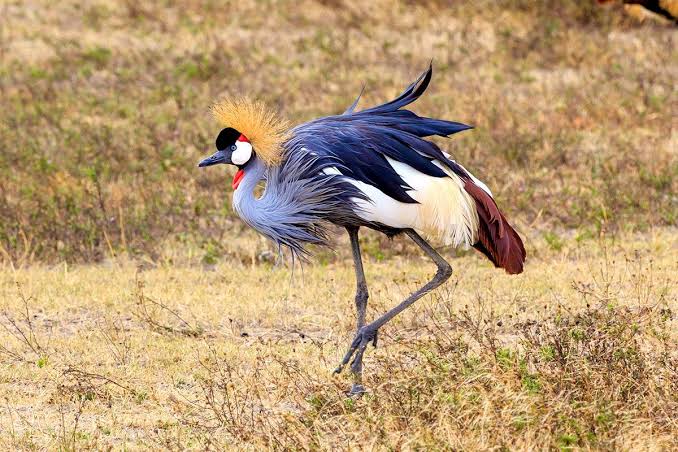
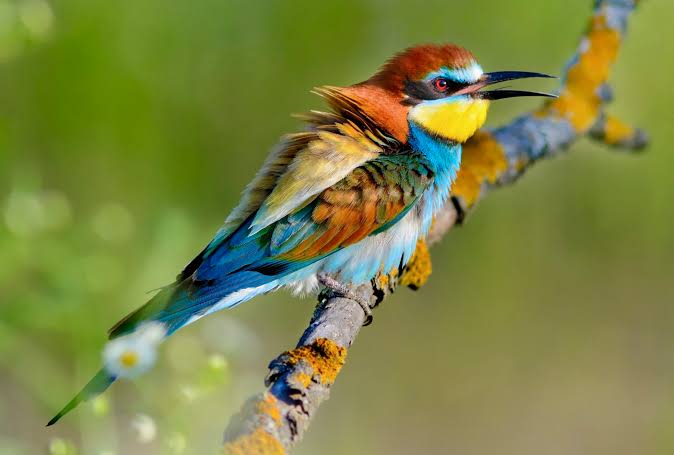
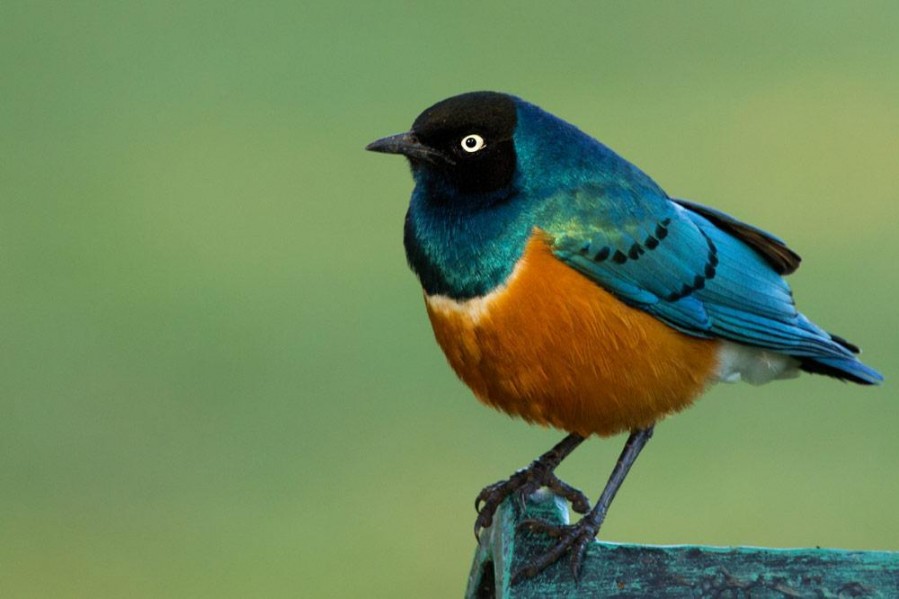
Ngorongoro offers strong birdwatching opportunities across its crater floor, forests and surrounding highlands. Flamingos may gather around Lake Magadi when conditions are favourable, while other water-associated species include pelicans, storks, herons and egrets.
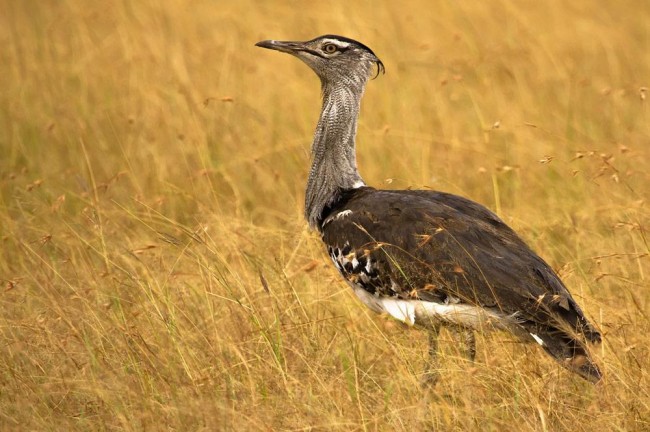
The grasslands support ostriches, crowned cranes, kori bustards and a range of smaller savanna birds, while the forested highlands provide habitat for species less commonly encountered on open plains.
Raptors such as vultures, eagles and hawks are also an important part of the ecosystem, often taking advantage of the abundant wildlife activity below. The cooler highland environment and varied habitats make Ngorongoro particularly interesting for travellers who want to combine big-game viewing with bird photography.
Ready to plan Your Adventure?
Whatever you want from your trip, our team of expert travel designers are ready to help.
Crater Game Drives
Game drives on the crater floor are the principal safari activity. The enclosed landscape allows visitors to encounter a broad range of wildlife within a relatively concentrated area, with grasslands, wetlands and woodland creating different viewing environments.
Wildlife Photography
Lake Manyara is particularly suitable for dedicated birding and casual bird observation alike. The diversity of habitats supports waterbirds, forest species, raptors and savanna birds, making the park a useful stop for travellers who want more than large mammals from their Tanzania safari.
Wildlife Photography
The crater’s natural amphitheatre provides distinctive photographic perspectives, particularly from the crater rim before descending to the floor. Wildlife photographed against the surrounding escarpment can produce a visual character quite different from the open plains of Serengeti.
Bird Watching
Ngorongoro’s combination of lake, grassland, woodland and montane habitats supports a wide variety of birds. Birding can be incorporated naturally into a standard game drive or given greater emphasis for specialist travellers.
Crater Rim Experiences
The crater rim offers expansive views across the caldera and the surrounding highlands. Travellers staying at rim properties can experience the changing atmosphere of the landscape from sunrise through the evening.
Cultural Experiences
The wider Ngorongoro Conservation Area is also home to Maasai communities whose pastoral traditions form part of the area’s living cultural landscape. Approved cultural visits can provide an opportunity to learn about local traditions and contemporary community life.
Ready to plan Your Adventure?
Whatever you want from your trip, our team of expert travel designers are ready to help.
Ngorongoro Crater is a year-round destination, although the landscape and wildlife-viewing conditions change with the seasons.
June to October
The dry season generally offers favourable road conditions and good wildlife viewing. Vegetation is less dense, and animals may concentrate around reliable water sources.
November to December
The short rains bring fresh vegetation and greener scenery. Bird activity increases, and migratory species can add variety to the resident bird population.
January to March
The surrounding northern Tanzania ecosystem becomes particularly active during the green season. This period can also be useful for travellers combining Ngorongoro with the southern Serengeti and Ndutu areas during the wildebeest calving season.
April to May
The long rains produce lush landscapes and can bring fewer visitors. Rainfall may affect road conditions, but the scenery can be exceptionally green and atmospheric.For travellers focused on general wildlife viewing and easier road conditions, the dry season is a practical choice. Those seeking green scenery, birdlife and a quieter safari atmosphere may prefer the wetter periods.
Ngorongoro Crater is located in northern Tanzania and is commonly incorporated into the classic northern safari circuit. By road, it can be reached from Arusha, Lake Manyara, Tarangire and Serengeti, making it straightforward to combine with several major destinations.
Most safari visitors enter the Ngorongoro Conservation Area by road before continuing toward the crater rim and descending to the crater floor for a game drive. Air travel is also possible through nearby airstrips, followed by a transfer to the accommodation or safari vehicle.
A well-planned route often combines Tarangire → Lake Manyara → Ngorongoro → Serengeti, although the order can be adapted according to the season, available time and safari objectives.
Ngorongoro offers a rare combination of geological scale, wildlife concentration and cultural landscape. The crater itself creates a naturally enclosed environment where a remarkable variety of animals can be observed within a relatively compact area, while the surrounding conservation area extends far beyond the crater floor into highlands, forests and open plains.
Its greatest appeal is the contrast between the crater and other northern Tanzania destinations. Serengeti is defined by immense open plains and seasonal wildlife movement, while Ngorongoro offers a dramatic volcanic setting where the landscape itself becomes part of the safari experience. For a first Tanzania safari, the combination of Ngorongoro and Serengeti provides two distinctly different expressions of the country’s northern wildlife ecosystem.
Frequently Asked Questions About Ngorongoro Crater
What is Ngorongoro Crater famous for?
Ngorongoro Crater is famous for its enormous volcanic caldera, high concentration of wildlife and spectacular highland setting. It is also part of the Ngorongoro Conservation Area, a UNESCO World Heritage Site.
Where is Ngorongoro Crater located?
Ngorongoro Crater is located in northern Tanzania between the Lake Manyara area and Serengeti. The crater forms part of the wider Ngorongoro Conservation Area.
Can I see the Big Five in Ngorongoro Crater?
The crater supports lion, leopard, elephant, buffalo and black rhinoceros. However, wildlife sightings are never guaranteed, and leopard sightings in particular can be more difficult than sightings of some other large mammals.
Can I see rhinos in Ngorongoro Crater?
Black rhinoceros occur in the Ngorongoro ecosystem and the crater is one of Tanzania’s recognised locations for viewing them. Sightings remain dependent on natural conditions and animal behaviour.
How many days do I need for Ngorongoro?
Most safari itineraries allocate one full day for the crater itself. One night around the crater rim or nearby Karatu is commonly sufficient for a focused visit, while additional nights are useful when combining Ngorongoro with surrounding destinations.
Is Ngorongoro Crater open all year?
The Ngorongoro Conservation Area operates throughout the year, although weather and road conditions vary seasonally. The wet season can affect driving conditions, while the dry season generally provides more predictable road access.
Can Ngorongoro be combined with Serengeti?
Yes. Ngorongoro and Serengeti are frequently combined because of their geographic and ecological relationship. The two destinations provide contrasting safari environments: a volcanic caldera at Ngorongoro and expansive plains across Serengeti.
Is Ngorongoro suitable for families?
Yes. The concentrated wildlife viewing on the crater floor can work well for families because a single game drive can provide opportunities to see many different species. Private safari arrangements also allow greater flexibility with driving schedules.
Plan Your Trip to Ngorongoro Crater
A successful Ngorongoro safari should consider the crater as one component of a broader northern Tanzania journey. A classic itinerary can begin with Tarangire or Lake Manyara, continue to Ngorongoro and then proceed into Serengeti. This sequence gradually moves from woodland and Rift Valley landscapes into the highlands, crater ecosystem and expansive Serengeti plains.
For travellers with limited time, 2–3 days combining Ngorongoro with Lake Manyara or Tarangire can provide a compact safari. Those with more time can include Serengeti for several nights, creating a more comprehensive northern Tanzania experience. Travellers interested in the wildebeest calving season should consider combining Ngorongoro with the southern Serengeti and Ndutu rather than treating the crater as an isolated destination.
Plan Your To Ngorongoro Crater
Planning a Ngorongoro Crater safari works best when the crater is considered as part of the wider northern Tanzania landscape. A classic itinerary can combine Ngorongoro, Serengeti, Tarangire and Lake Manyara, allowing travellers to experience the crater’s remarkable wildlife, dramatic volcanic landscapes, diverse habitats and expansive savanna within one unforgettable journey.
Ready to plan Your Adventure?
Whatever you want from your wildlife adventure, our team of expert safari designers is ready to help you create an unforgettable journey.