
info@konokonosafaris.com
+255 677 959 701
Destination
Where Forest, Rift Valley and Wildlife Meet
Lake Manyara National Park is one of Tanzania’s most distinctive safari destinations, set along the dramatic western escarpment of the Great Rift Valley in northern Tanzania. Although smaller than Serengeti and some of Tanzania’s other major parks, Manyara brings together an unusual concentration of landscapes within a relatively compact area, including groundwater forests, open woodland, grassy floodplains, alkaline Lake Manyara and the steep Rift Valley escarpment.
The park is particularly recognised for its large elephant population, diverse birdlife and striking scenery, while its proximity to Arusha and the Ngorongoro Conservation Area makes it a practical addition to a northern Tanzania safari circuit. During the wet season, the lake and surrounding floodplains become especially important for waterbirds, while the forest provides habitat for primates and other wildlife.
Lake Manyara therefore offers a different safari character from the expansive plains of Serengeti: intimate, varied and strongly shaped by the meeting of forest, water and Rift Valley terrain.
Ready to plan Your Adventure?
Whatever you want from your trip, our team of expert travel designers are ready to help.
Lake Manyara Facts
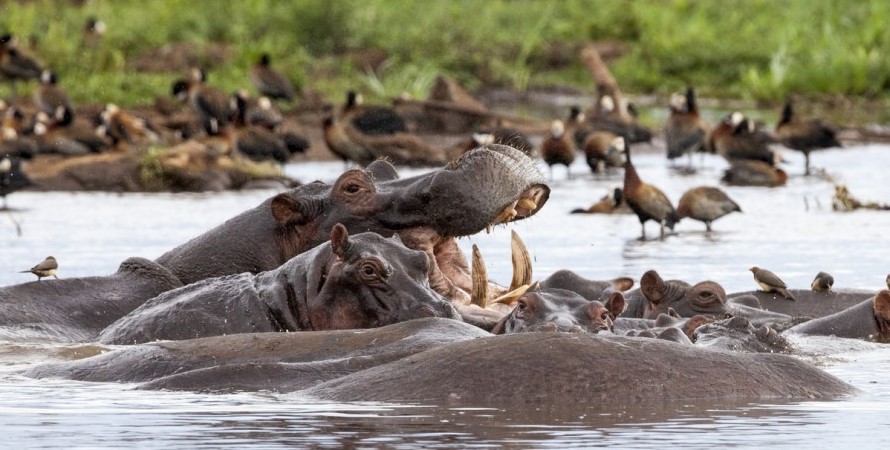
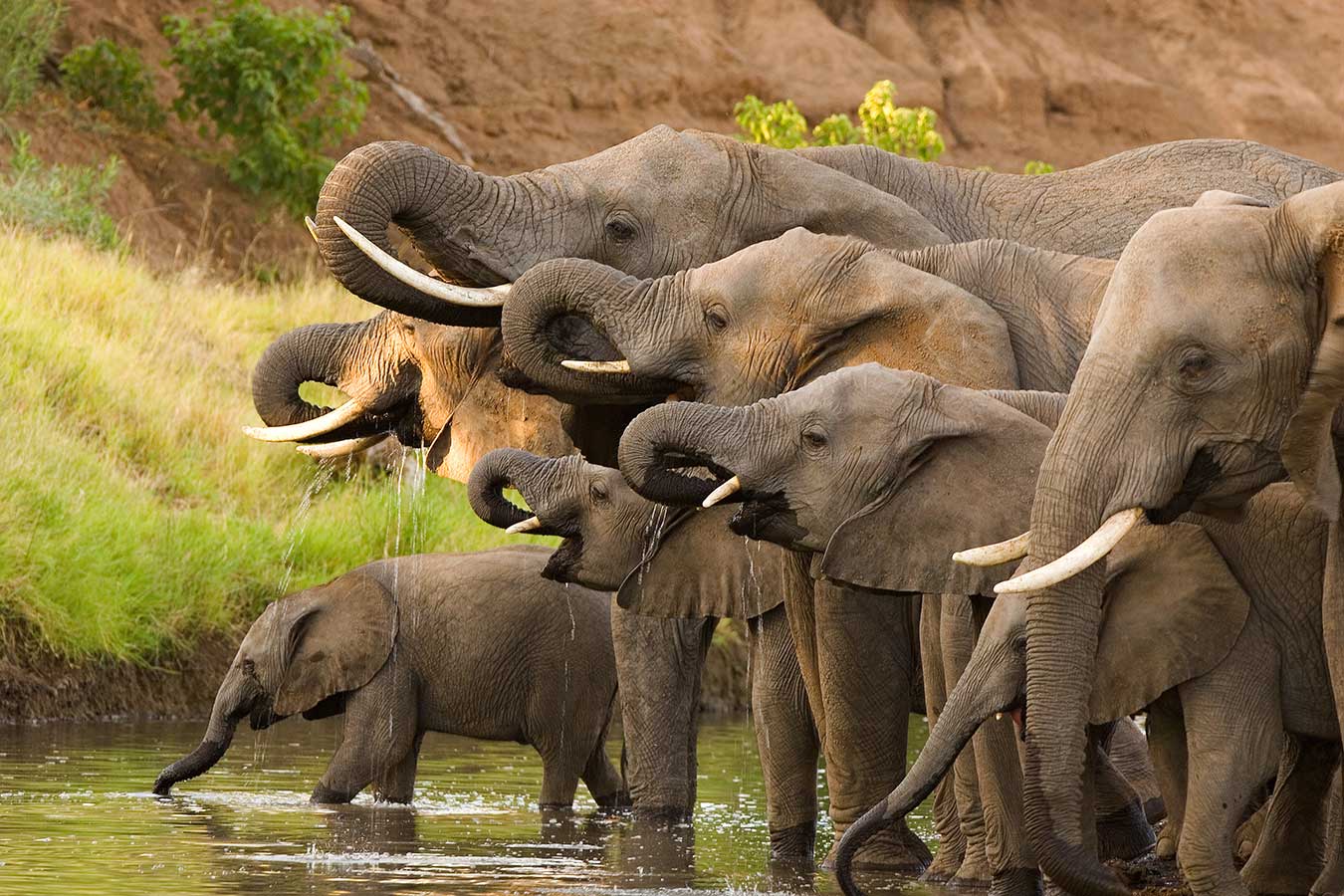
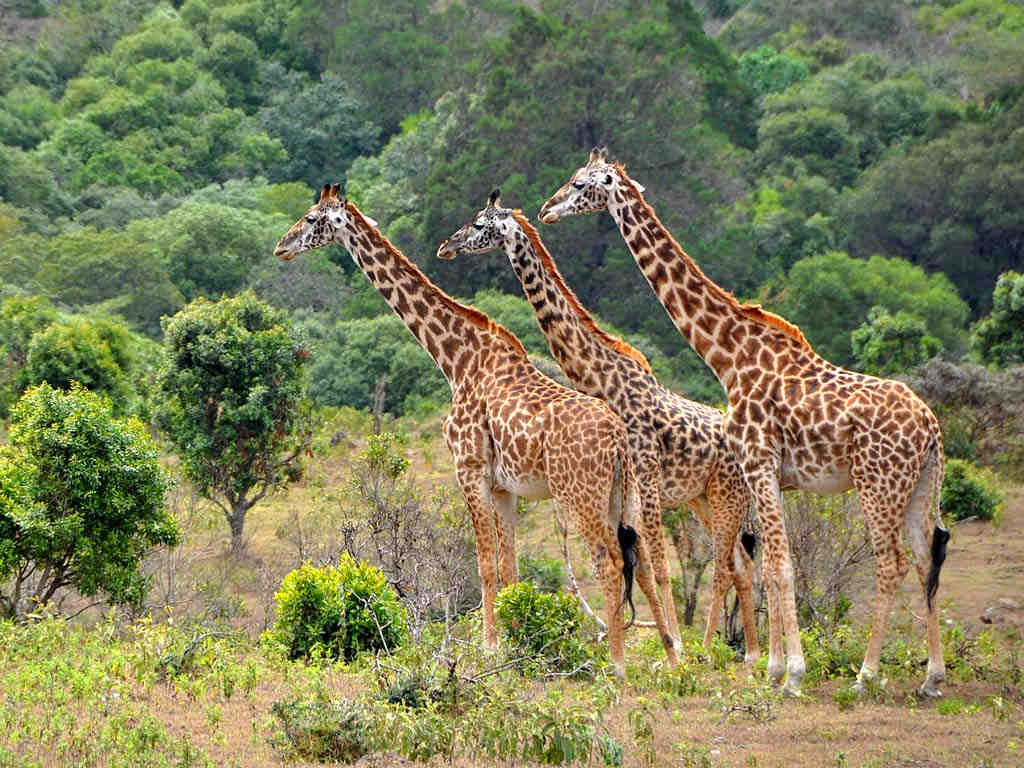
Lake Manyara supports a varied collection of wildlife despite its relatively compact size. Elephants are among the park’s most recognisable residents, often moving through the woodland and forest areas, while buffalo, giraffe, zebra, wildebeest, impala, warthog and hippo can be encountered in the open areas and around water.
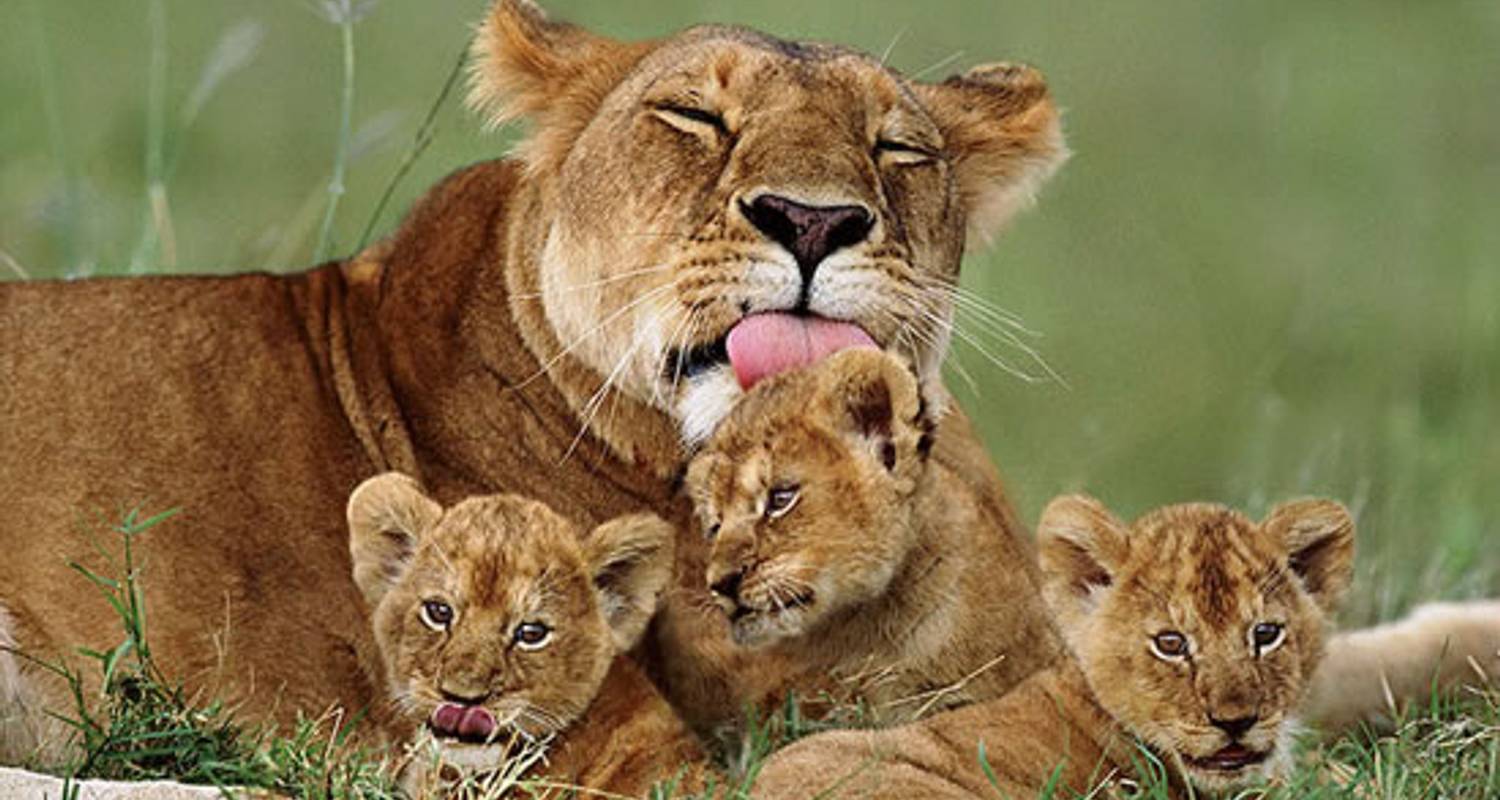
The park is also known for its primates, including large troops of baboons and blue monkeys within the forest. Lions are present as well, and Lake Manyara has long been associated with reports of lions resting in trees, although this behaviour should be regarded as an occasional wildlife observation rather than a guaranteed sighting.
The combination of dense forest, open floodplain and lakeshore habitat means that game viewing can change considerably within a single drive.
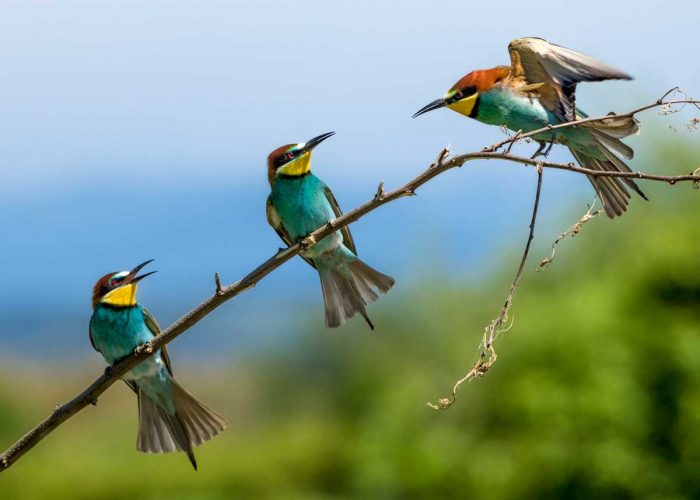
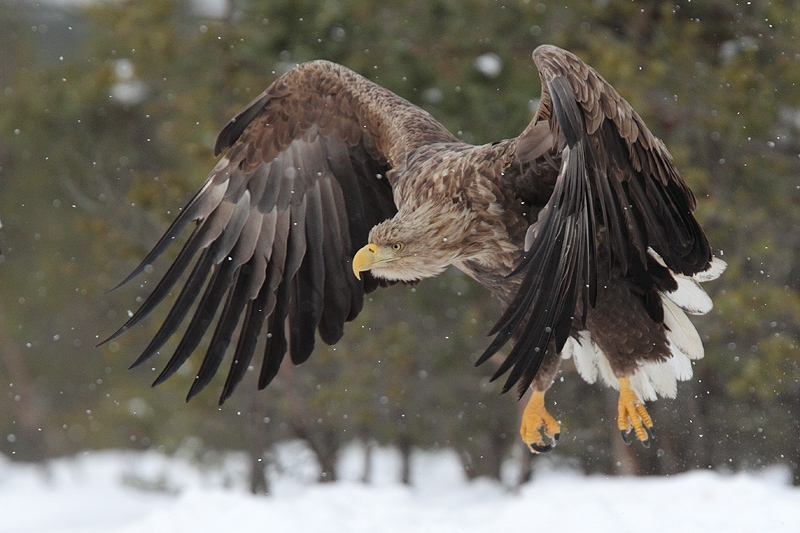
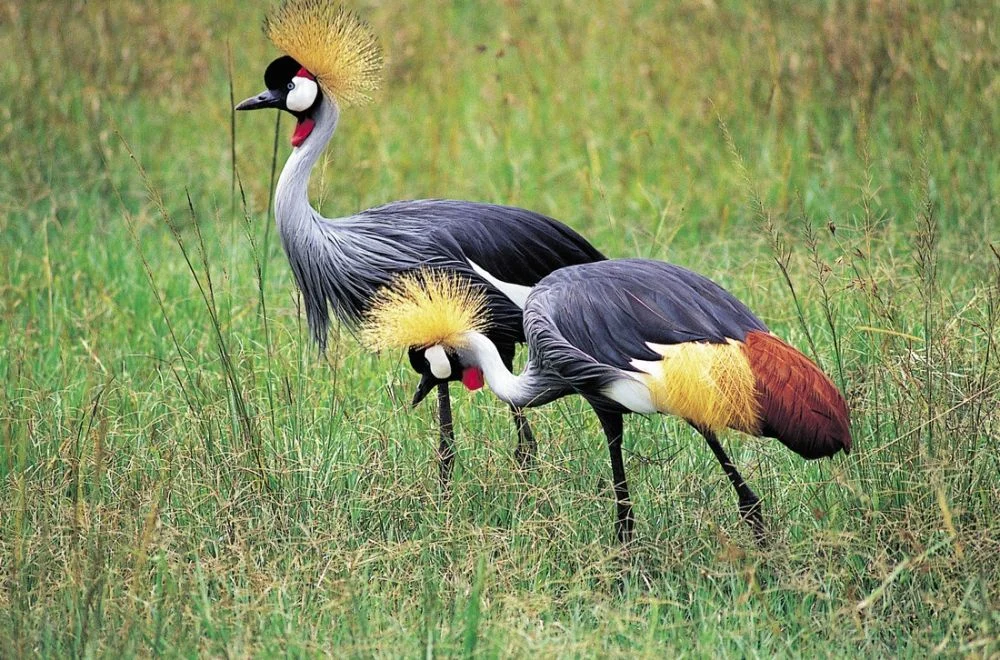
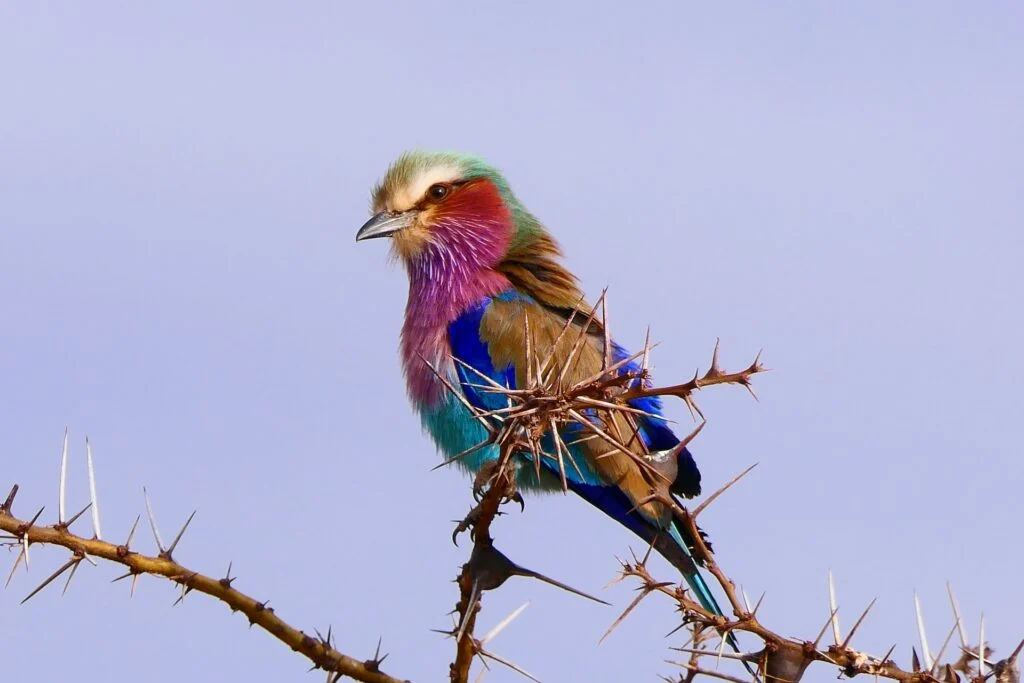
Birdwatching is one of Lake Manyara National Park’s strongest attributes, with more than 400 bird species recorded in the park. The lake, wetlands, forest and woodland create habitats for both resident and migratory birds, producing particularly varied birding conditions during the wetter months.
Flamingos may occur around the alkaline lake when conditions are suitable, alongside pelicans, storks, herons, egrets, African fish eagles, kingfishers and numerous smaller forest and savanna species. Raptors are also well represented, while the forest offers opportunities to observe species that are less commonly encountered in the open plains of the Serengeti ecosystem.
For travellers interested in combining wildlife photography with bird photography, Manyara provides considerable variety within a relatively short safari area.
Ready to plan Your Adventure?
Whatever you want from your trip, our team of expert travel designers are ready to help.
Game Drives
Game drives are the principal way to explore Lake Manyara National Park. The relatively compact landscape allows visitors to move between forest, woodland, open plains and lakeshore habitats during the same safari, creating opportunities to observe different species and behaviours within a short period.
Birwatching Experience
Lake Manyara is particularly suitable for dedicated birding and casual bird observation alike. The diversity of habitats supports waterbirds, forest species, raptors and savanna birds, making the park a useful stop for travellers who want more than large mammals from their Tanzania safari.
Wildlife Photography
The combination of dense vegetation, open floodplains, wildlife and the Rift Valley escarpment creates varied photographic settings. Elephants in woodland, giraffes against the escarpment and birds around the lake provide subjects that differ considerably from the open grasslands of Serengeti.
Canoeing and Specialist Activities
Canoeing and other specialist activities may be available in or around the Manyara area depending on current regulations, water conditions and the authorised operator. These experiences should be arranged through approved providers and checked before travel.
Ready to plan Your Adventure?
Whatever you want from your trip, our team of expert travel designers are ready to help.
Lake Manyara is accessible throughout much of the year, but conditions and wildlife
experiences vary seasonally.
June to October
The dry season generally provides favourable conditions for game viewing, with animals more likely to concentrate around available water sources. Clearer conditions can also provide strong views across the Rift Valley landscape.
November to December
The short rains refresh the vegetation and bring a greener appearance to the park. Bird activity increases and migratory species begin to feature more strongly.
January to March
These months can offer attractive green landscapes and productive birding conditions. The lake and surrounding wetlands can become particularly interesting for waterbirds when conditions are favourable.
April to May
The long rains produce lush scenery and fewer visitors than the peak dry-season period. Some roads may become more difficult depending on rainfall, so itinerary planning should account for seasonal conditions.
Lake Manyara National Park is one of the more accessible destinations on Tanzania’s northern safari circuit. By road, the park can be reached from Arusha and is commonly incorporated into itineraries that continue toward Ngorongoro and Serengeti.
Its location makes it particularly convenient for shorter safaris because the journey can be combined with other northern Tanzania destinations rather than requiring a separate long transfer. Travellers can also reach the area by air through nearby airports and airstrips, depending on the safari operator and itinerary.
For a private safari, the choice between road and air transport normally depends on available time, budget and whether the journey itself is intended to be part of the experience.
Lake Manyara offers a distinct safari experience because several ecological environments are concentrated within a relatively small area. Instead of extensive open plains alone, visitors move through groundwater forest, woodland, grassland, wetland and lakeshore habitats, with the Rift Valley escarpment providing a dramatic geographical backdrop.
The park is particularly valuable for travellers who want to see elephants, primates, giraffes, buffalo, hippos and abundant birdlife while also experiencing one of northern Tanzania’s most scenic landscapes. Its location makes it especially useful as part of a broader itinerary linking Tarangire, Ngorongoro and Serengeti, although it can also work well as a shorter standalone safari destination.
Lake Manyara is known for its varied landscapes, elephants, abundant birdlife, groundwater forest and dramatic Great Rift Valley setting. It is also associated with occasional sightings of lions resting in trees.
The park lies in northern Tanzania along the western side of the Great Rift Valley, close to the town of Mto wa Mbu and the route leading toward the Ngorongoro Conservation Area.
One full day is generally suitable for travellers incorporating Manyara into a northern Tanzania circuit. Travellers with a strong interest in birding, photography or slower-paced exploration may choose to stay longer in the surrounding area.
Yes. Elephants are among the park’s notable wildlife species and can frequently be encountered in its woodland and forest habitats, although wildlife sightings always depend on natural conditions.
Yes. Lions occur in the park, and Lake Manyara is particularly known for occasional observations of lions in trees. However, tree-climbing behaviour is not guaranteed during a visit.
Yes. More than 400 bird species have been recorded, making the park one of the more diverse birding destinations on the northern Tanzania safari circuit.
Yes. A common northern Tanzania route combines Lake Manyara with destinations such as Ngorongoro and Serengeti. The exact order can be adjusted according to the safari duration and season.
Its compact nature and varied wildlife make it a practical component of many family itineraries. A private safari can also provide greater flexibility for adjusting driving times and activities around the family’s schedule.
Plan Your To Lake Manyara
Planning a Lake Manyara safari works best when the park is considered as part of the wider northern Tanzania landscape. A classic itinerary can combine Lake Manyara, Tarangire, Ngorongoro and Serengeti, allowing travellers to experience forest, Rift Valley scenery, crater landscapes and expansive savanna within one journey.
For shorter trips, Manyara can be paired with Ngorongoro for a compact northern circuit, while longer itineraries can use it as an early stop before continuing toward Serengeti.
Choose the travel season according to your priorities, reserve accommodation and park arrangements ahead of time, and allow sufficient time for the route between destinations. Travellers interested in photography or birding should also communicate their interests when planning the safari so the itinerary can be structured around suitable habitats, light conditions and seasonal wildlife activity.
Ready to plan Your Adventure?
Whatever you want from your wildlife adventure, our team of expert safari designers is ready to help you create an unforgettable journey.