
info@konokonosafaris.com
+255 677 959 701
Destination
Where Giants Gather Beneath the Baobabs
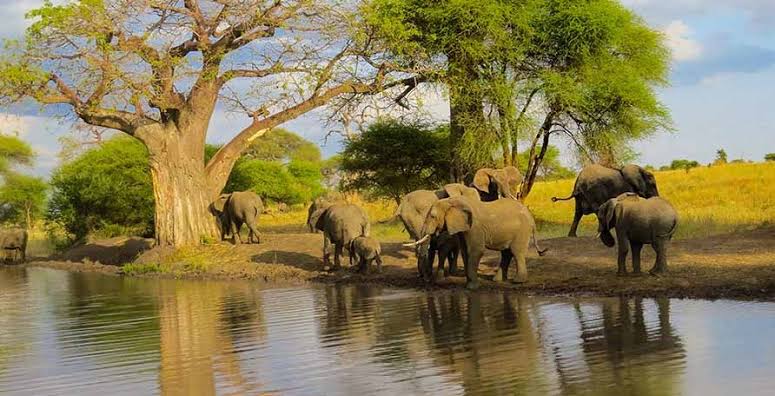
Tarangire National Park is one of northern Tanzania’s most distinctive safari destinations, celebrated for its impressive elephant herds, ancient baobab trees, seasonal wildlife concentrations, and beautiful savannah landscapes. Located within the northern Tanzania safari circuit, the park offers a quieter and highly rewarding alternative to some of the region’s busier wildlife destinations.
The park is especially known for the Tarangire River, an important source of water during the dry season. As surrounding areas become drier, wildlife gathers around the river and other remaining water sources, creating excellent opportunities for game viewing.
Ready to plan Your Adventure?
Whatever you want from your trip, our team of expert travel designers are ready to help.
Tarangire National Park Facts
Tarangire National Park is one of Tanzania’s finest wildlife destinations, particularly famous for its large elephant herds and seasonal concentration of animals around the Tarangire River. During the dry season, wildlife gathers around the river, Silale Swamp and other permanent water sources, creating excellent opportunities for game viewing.
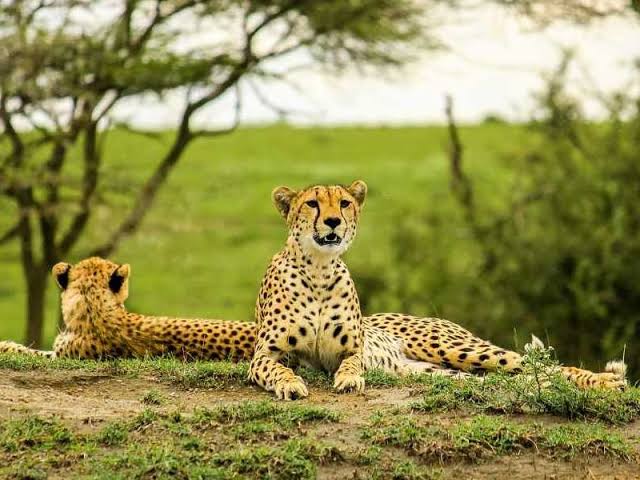
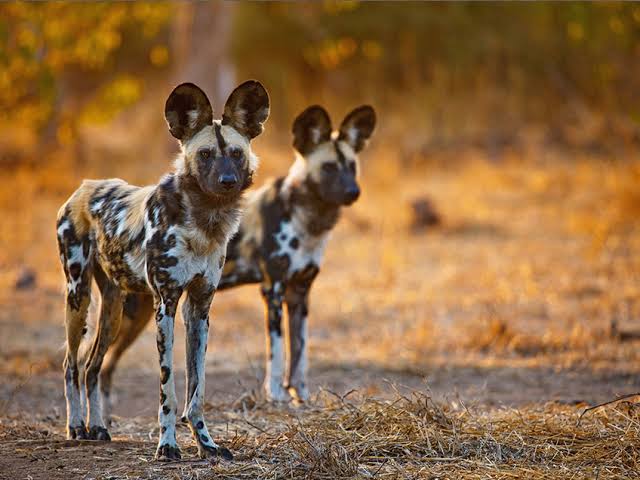
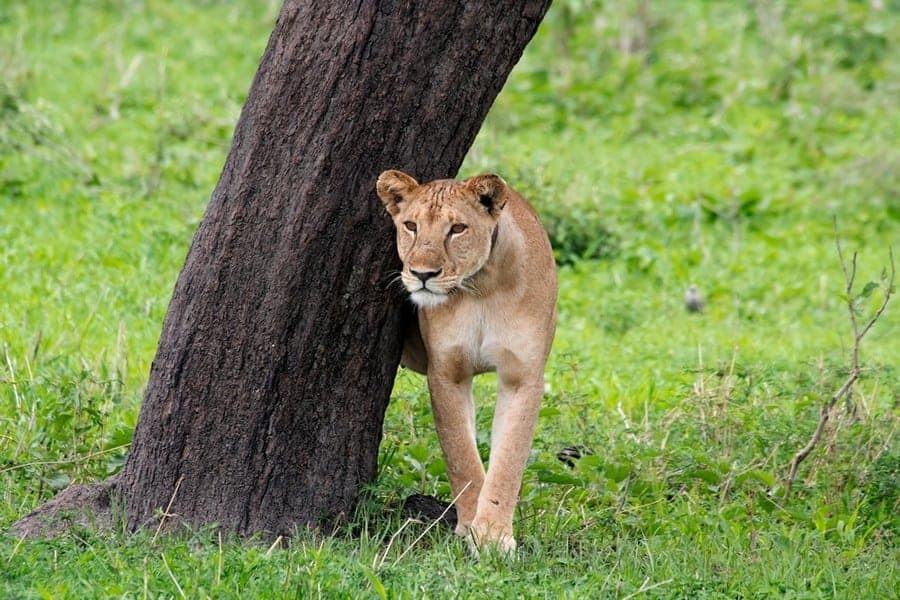
The park supports a remarkable variety of wildlife, including elephants, lions, leopards, cheetahs, buffalo, giraffes, zebras, wildebeest, eland, impalas, gazelles and warthogs. Less commonly seen species include giraffe, oryx, lesser kudu, gerenuk and African wild dog.
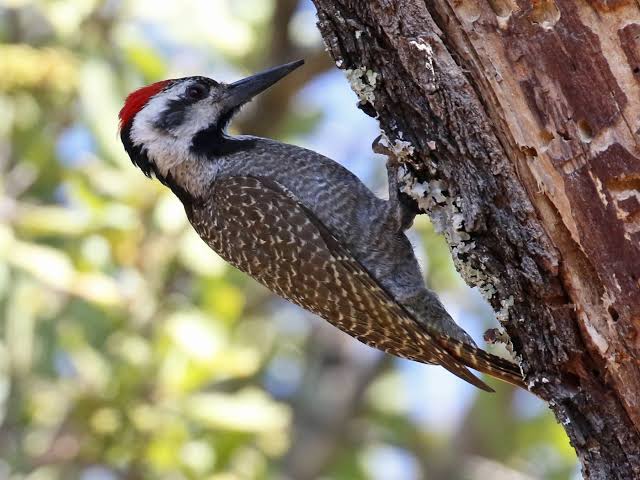
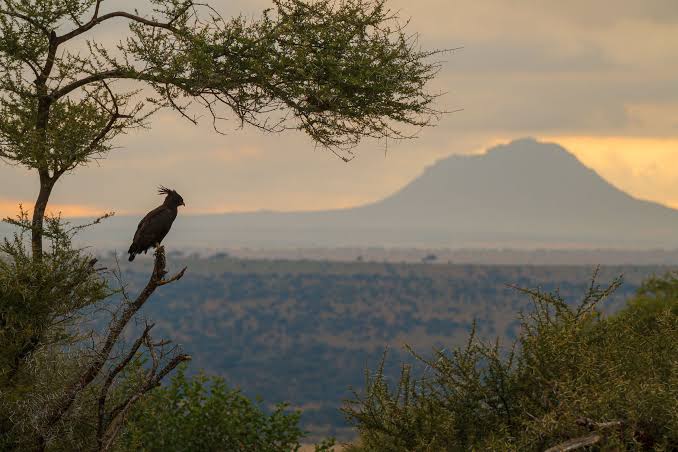
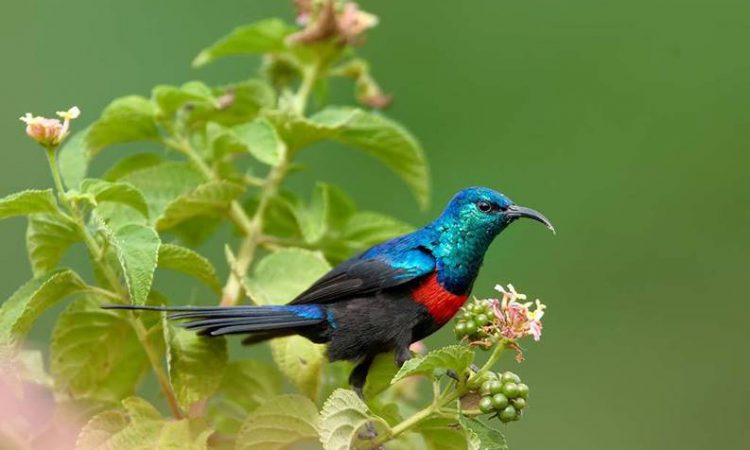
Tarangire is also an excellent destination for birdwatchers. The park supports more than 550 recorded bird species, ranging from large ground birds to colourful woodland and wetland species.
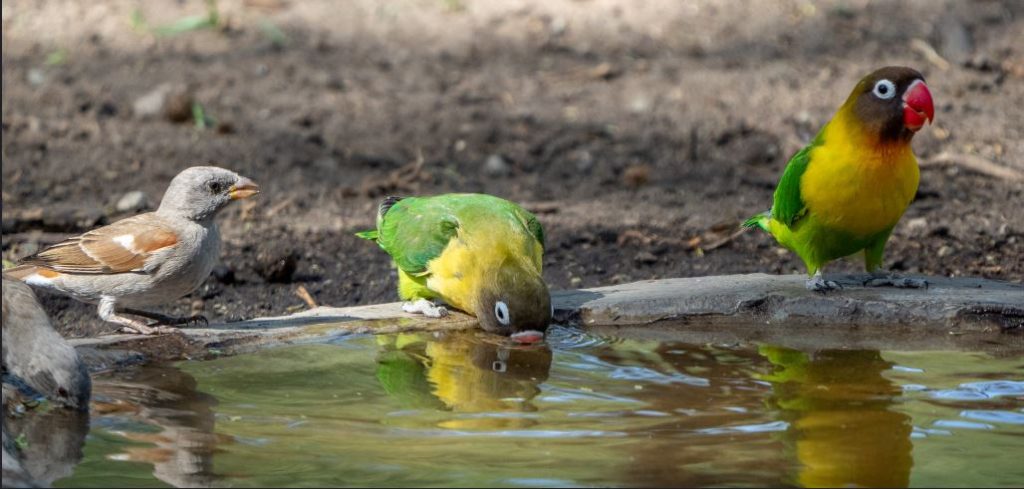
Depending on the season and habitat, visitors may see ostriches, kori bustards, hornbills, bee-eaters, rollers, lovebirds, raptors and many other species.
The combination of riverine forest, woodland, grassland and wetlands makes Tarangire particularly rewarding for travellers interested in bird photography and wildlife observation.
Ready to plan Your Adventure?
Whatever you want from your trip, our team of expert travel designers are ready to help.
Game Drives
Game drives are the main way to explore Tarangire. Morning and afternoon drives allow visitors to explore different habitats and search for elephants, lions, giraffes, zebra, wildebeest and other wildlife.
Guided Walking Safaris
Walking safaris provide a closer connection with the environment. With an authorized guide or ranger, visitors can learn about animal tracks, plants, insects, birds and the smaller details often missed from a vehicle.
Birdwatching
With more than 550 recorded bird species, Tarangire is an excellent destination for dedicated birdwatching as well as general safari trips.
Photography Safaris
The combination of elephants, baobabs, open landscapes and changing light makes Tarangire highly rewarding for photographers.
Sundowners and Bush Meals
Selected safari experiences can include a bush meal or sundowner in an appropriate location, allowing visitors to enjoy the landscape during the quieter hours of the day.
Balloon Safari
Where available and properly arranged, a hot-air balloon safari offers a different perspective of Tarangire’s landscapes, wildlife and river systems.
Ready to plan Your Adventure?
Whatever you want from your trip, our team of expert travel designers are ready to help.
Tarangire can be visited throughout the year, but the best time for concentrated wildlife viewing is generally during the dry season from June to October.
During these months, water becomes less available across the surrounding areas, encouraging wildlife to gather around the Tarangire River and remaining water sources.
The green season can also be rewarding. The landscape becomes greener, migratory birds arrive and there are fewer visitors in some periods.
June to October
This is the main dry season and one of the best periods for wildlife viewing, especially elephants and other animals concentrated around water.
November to December
The short rains bring fresh vegetation and greener landscapes. Birdwatching can be particularly rewarding.
January to February
These months generally form another relatively dry period between the short and long rains, offering a balance of wildlife viewing and greener scenery.
March to May
The long rains transform the landscape into a lush environment. Some roads and tracks can become more challenging, but the quieter atmosphere and fresh landscapes appeal to travellers seeking a different safari experience.
Tarangire is conveniently located on Tanzania’s Northern Safari Circuit.
By road, the park is approximately 2.5 to 3 hours from Arusha, depending on the route and conditions. The park can also be reached as part of a safari circuit connecting it with Lake Manyara, Ngorongoro and Serengeti.
For travellers arriving by air, scheduled and charter flights can use Kuro Airstrip inside the park.
Exceptional elephant viewing
Tarangire is one of Tanzania’s best destinations for observing elephants in their natural environment.
Iconic baobab landscapes
Seasonal wildlife concentrations
During the dry season, wildlife gathers around water sources, creating excellent opportunities for game viewing.
Rich birdlife
With more than 550 recorded bird species, Tarangire is a strong choice for birdwatchers.
A quieter safari experience
Compared with some of Tanzania’s better-known parks, Tarangire can offer a more intimate safari atmosphere, particularly when exploring beyond the busiest areas.
Yes. Tarangire offers excellent elephant viewing, distinctive baobab landscapes, diverse wildlife and strong birdwatching opportunities. It is also conveniently located on the Northern Tanzania safari circuit.
Tarangire is best known for its large elephant herds, ancient baobab trees and seasonal concentration of wildlife around the Tarangire River.
Common sightings include elephants, lions, giraffes, zebras, wildebeest, buffalo, impalas, gazelles, warthogs and many bird species. Leopards, cheetahs and hyenas may also be seen.
June to October is generally the best period for concentrated wildlife viewing because animals gather around reliable water sources. However, Tarangire is open year-round and each season offers different experiences.
One full day can work well as part of a Northern Circuit safari. One or two nights are recommended for travellers who want more time for game drives, photography and exploring different areas.
Yes. Tarangire is commonly combined with Ngorongoro and Serengeti as part of a Northern Tanzania safari.
Yes. Tarangire can be a good choice for family safaris, particularly for travellers interested in elephants, giraffes and other easily observed wildlife. Safari activities should always follow park safety rules and guide instructions.
Plan Your Tarangire Safari
From close encounters with elephants to landscapes framed by ancient baobabs, Tarangire offers a distinctive side of Tanzania’s wilderness. Whether you are planning a short wildlife escape or a longer Northern Tanzania safari, Tarangire can be carefully combined with other destinations to create a journey that matches your interests, travel style and available time.
Plan your Tarangire safari and discover one of Tanzania’s most remarkable wildlife landscapes.
Ready to plan Your Adventure?
Whatever you want from your wildlife adventure, our team of expert safari designers is ready to help you create an unforgettable journey.