
info@konokonosafaris.com
+255 677 959 701
Destination
Where Tanzania’s Wild East Meets the Northern Frontier
Mkomazi National Park is a distinctive wilderness in northeastern Tanzania, occupying about 3,230 square kilometres and sharing a northern boundary with Kenya’s Tsavo National Park. Established as a national park in 2006, Mkomazi is characterised by semi-arid savanna, thorn bush, open plains, ancient baobabs and distant mountain horizons, including views toward Mount Kilimanjaro under favourable conditions.
Its ecological importance extends beyond conventional game viewing: Mkomazi is recognised as an important refuge for the endangered black rhinoceros and African wild dog, with conservation programmes supporting both species. The park also shelters elephant, buffalo, giraffe, zebra, eland, oryx, gerenuk, lesser kudu and several predators. Its relatively remote character gives Mkomazi a quieter safari atmosphere, while its position between Tanzania’s northern safari region and the coast makes it an interesting addition for travellers looking beyond the country’s better-known parks.
Ready to plan Your Adventure?
Whatever you want from your trip, our team of expert travel designers are ready to help.
Mkomazi National Park Facts
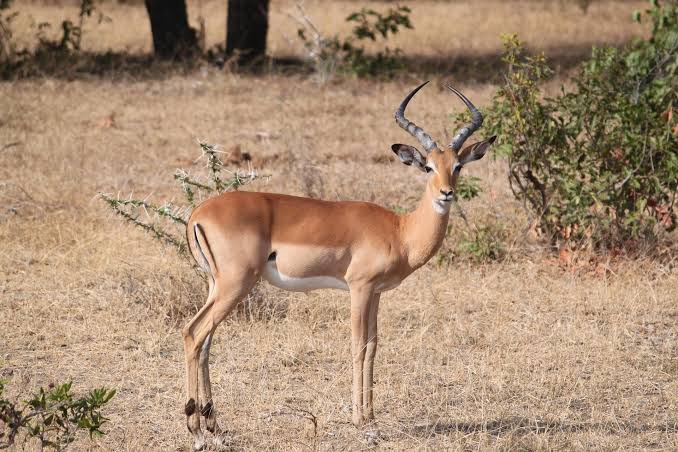
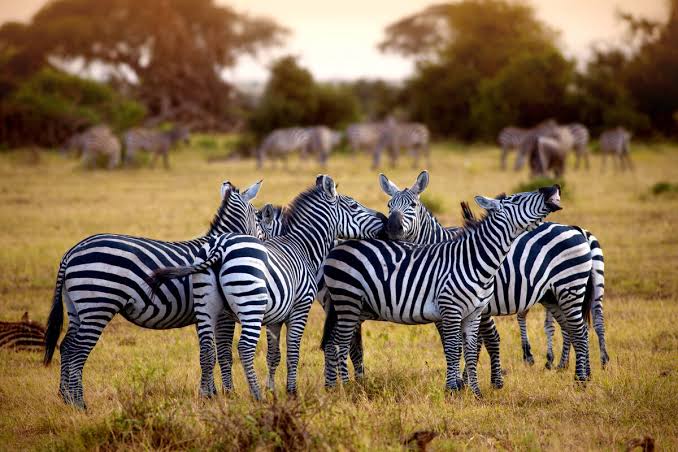
Mkomazi’s wildlife reflects its dry-country environment and its connection with the broader Tsavo ecosystem. Large mammals include elephant, buffalo, giraffe, zebra and eland, while the park is particularly notable for less frequently encountered species such as fringe-eared oryx, gerenuk and lesser kudu.
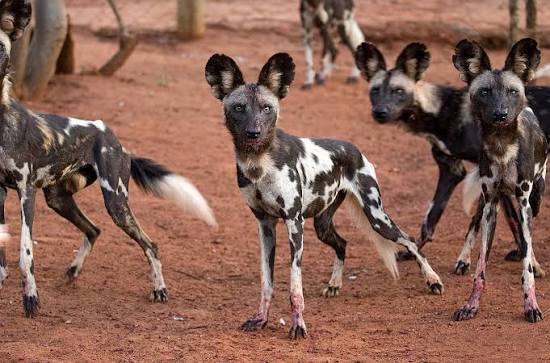
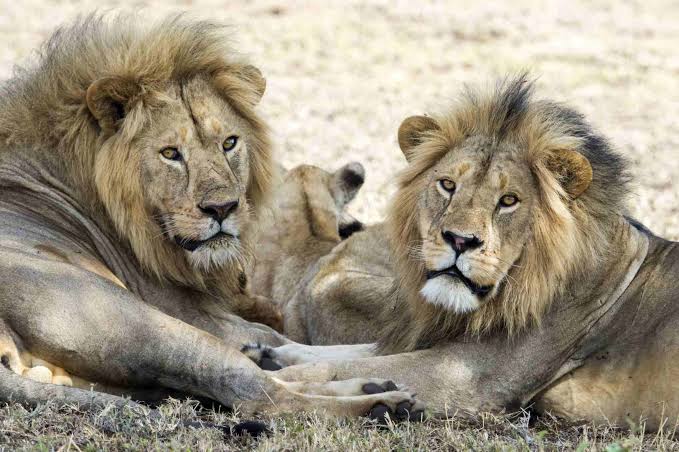
Lions and other large predators occur in the ecosystem, while African wild dogs are one of Mkomazi’s most important conservation species. The park also maintains a black rhinoceros sanctuary, where visitors can view these highly endangered animals under controlled arrangements.
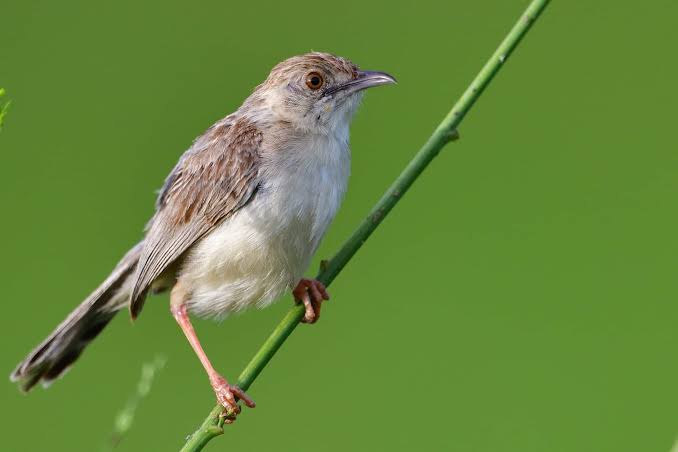
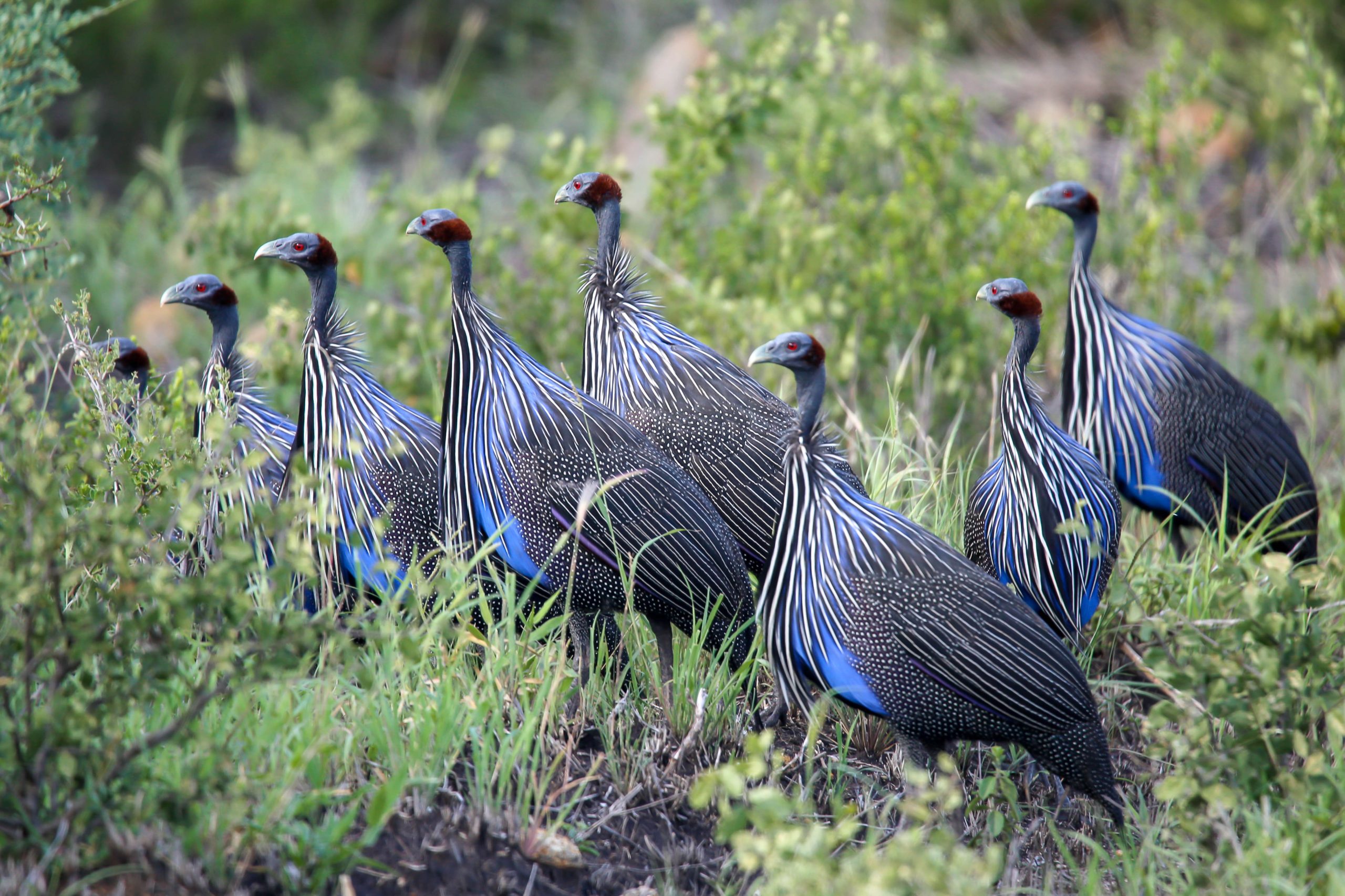
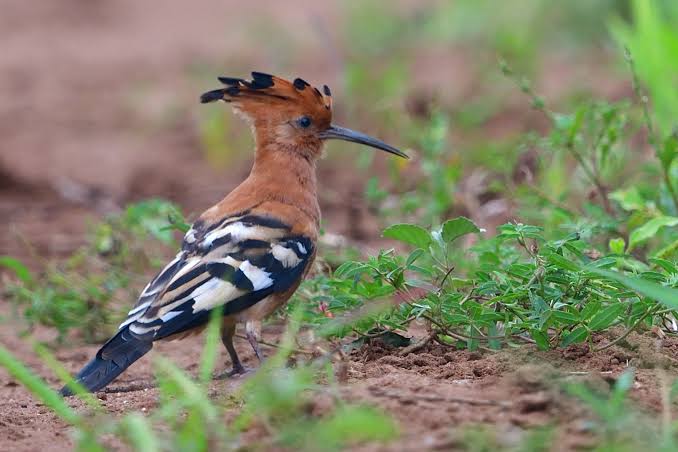
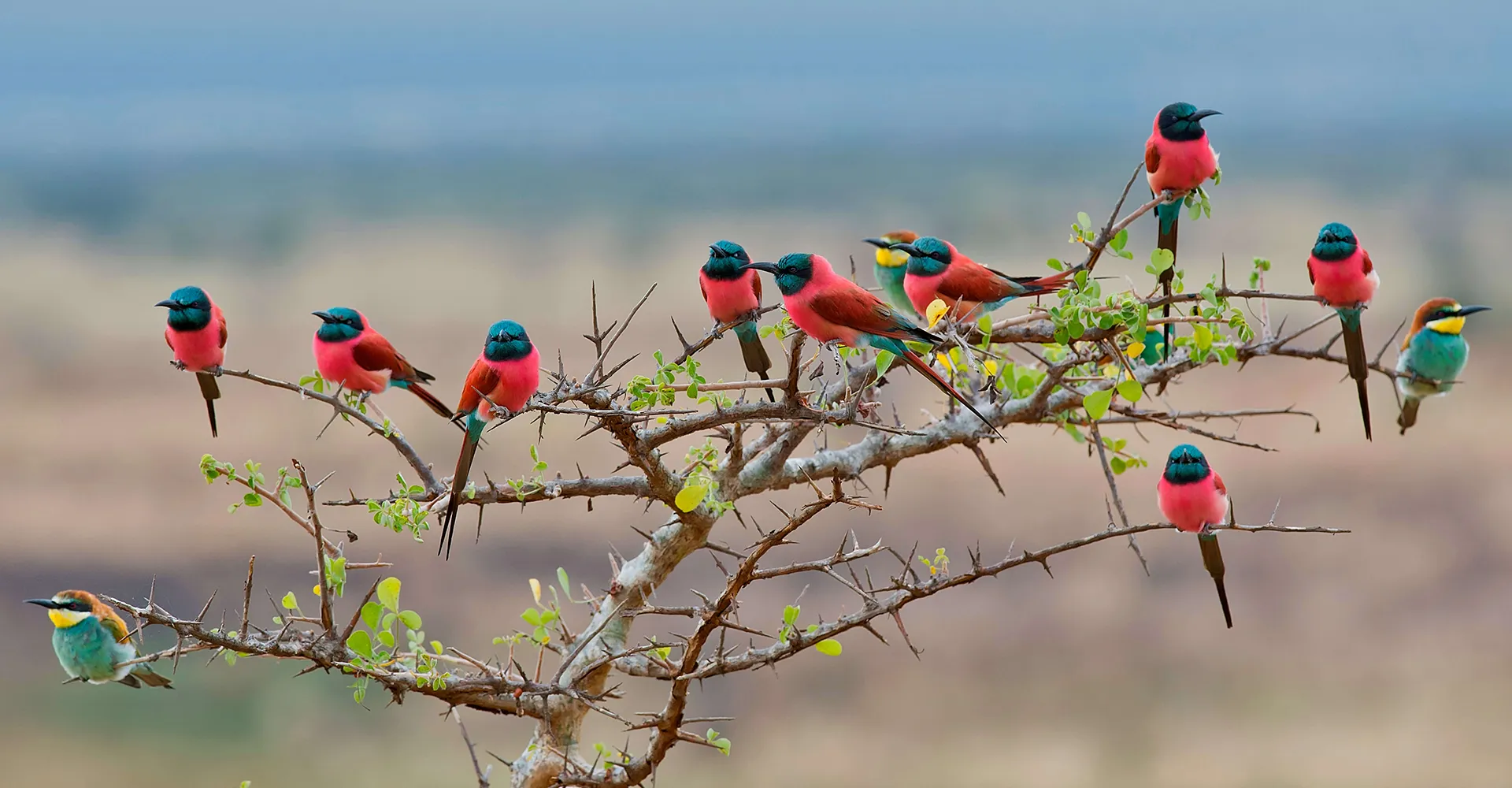
Mkomazi is a strong destination for birdwatching, with TANAPA recording more than 450 bird species. Its mixture of thorn scrub, open savanna, woodland and seasonal valleys creates habitat for a broad range of birds, including hornbills, weavers, doves, guinea-fowl, raptors and other dryland species.
The park’s birdlife is particularly interesting for visitors exploring less intensively developed habitats, where the birding experience forms part of the wider landscape rather than being limited to wetlands or lakes.
Ready to plan Your Adventure?
Whatever you want from your trip, our team of expert travel designers are ready to help.
Game Drives
Game drives are the principal way to explore Mkomazi National Park. The extensive landscape allows visitors to move through thorn bush, open grassland and woodland while looking for elephant, giraffe, zebra, buffalo, oryx, gerenuk and other wildlife.
Rhino Viewing
The park’s rhino sanctuary provides a specialised conservation experience focused on black rhinoceros. TANAPA states that this activity requires a separate arrangement and advance booking, making it different from an ordinary game drive.
Walking Safaris
Guided walking experiences allow visitors to experience Mkomazi at a slower pace, focusing on animal tracks, plants, birds and smaller details that can easily be missed from a vehicle. Walking and hill-hiking are among the activities identified by TANAPA for the park.
Hill Hiking
Mkomazi’s varied terrain provides opportunities for authorised hill-hiking, adding a landscape-oriented dimension to a conventional wildlife safari. The activity is particularly suited to travellers who want to experience the park beyond the main vehicle routes.
Bird Watching
With more than 450 recorded bird species, birdwatching can be incorporated into game drives, walking safaris and hill-hiking excursions.
Ready to plan Your Adventure?
Whatever you want from your trip, our team of expert travel designers are ready to help.
Mkomazi can be visited throughout the year, but the character of the park changes considerably between dry and green periods.
June to October
The dry season generally provides favourable conditions for wildlife viewing. With reduced vegetation and animals concentrating around available water, game can become easier to locate.
November to December
The short rains bring fresh vegetation and a greener appearance to the normally dry landscape. Bird activity can also become more prominent.
January to February
These months can provide a useful balance between greener scenery and relatively manageable safari conditions, although local rainfall patterns vary.
March to May
The long-rain period produces lush vegetation and dramatic skies. Some roads and tracks may become more challenging after substantial rainfall, so current conditions should be considered when planning.
For general wildlife viewing, the dry months are generally practical. For birding and green landscapes, the wetter periods can provide a different and more colourful expression of Mkomazi. TANAPA similarly notes the distinction between dry-season wildlife viewing and greener, bird-rich conditions during the rains.
Mkomazi is accessible by both road and air. The main road approach is through Same, which lies along the surfaced highway connecting Arusha and Dar es Salaam. TANAPA identifies the Zange entrance as approximately 6 kilometres from Same via a gravel road, while other gates can be accessed by special arrangement.
For travellers coming from the Kilimanjaro area, Mkomazi can be incorporated into an itinerary before or after a Kilimanjaro climb or northern Tanzania safari. Charter flights can also operate to Kisima airstrip, located inside the park near the rhino sanctuary.
Mkomazi offers a different perspective on Tanzania’s wildlife landscape. Instead of the highly visited plains associated with Serengeti, the park presents a more rugged dry-country setting defined by thorn bush, baobabs, open savanna and mountain horizons. Its location beside Kenya’s Tsavo ecosystem further connects it to a broader cross-border conservation landscape.
The park is particularly compelling for travellers interested in black rhinoceros conservation, African wild dogs, unusual antelope species, birdwatching and quieter safari environments. It also works well for travellers moving between northern Tanzania and the coast, or for visitors with limited time who want a wildlife experience without travelling deep into the more distant northern safari circuit.
What is Mkomazi National Park famous for?
Mkomazi is particularly known for its black rhinoceros and African wild dog conservation programmes, dryland scenery, unusual antelope species, baobabs and proximity to Kenya’s Tsavo ecosystem.
Where is Mkomazi National Park located?
Mkomazi is in northeastern Tanzania, near the town of Same, and extends toward the Kenyan border where it connects with the Tsavo ecosystem.
Can I see black rhinos in Mkomazi?
Yes. Mkomazi has a dedicated rhino sanctuary within the park. Rhino viewing is a specialised activity and requires advance arrangements rather than being treated as an ordinary game-drive sighting.
Are African wild dogs found in Mkomazi?
Yes. African wild dogs are one of the park’s important conservation species, and reintroduction and conservation work has supported their presence in the ecosystem.
What other animals can I see in Mkomazi?
Wildlife includes elephant, buffalo, giraffe, zebra, eland, oryx, gerenuk, lesser kudu and other antelope, together with predators such as lion.
Is Mkomazi good for birdwatching?
Yes. TANAPA records more than 450 bird species in the park, making it a worthwhile destination for birdwatchers, particularly those interested in dryland and savanna species.
How many days do I need in Mkomazi?
A 2–3 day safari can provide a useful introduction to the park, particularly for travellers combining Mkomazi with Kilimanjaro, the northern circuit or travel between northern Tanzania and the coast.
Can Mkomazi be combined with Kilimanjaro?
Yes. Mkomazi is geographically well positioned for itineraries that combine wildlife with a Kilimanjaro climbing programme. TANAPA specifically identifies the park as an option for Kilimanjaro climbers with limited time for wildlife viewing.
Plan Your Trip to Mkomazi
Mkomazi works particularly well when planned around a specific interest rather than treated simply as another stop on a conventional safari circuit. Travellers interested in rhino conservation should arrange the sanctuary experience in advance, while birdwatchers and photographers can benefit from allocating additional time for slower exploration. For a short safari, two or three days can be structured around game drives and selected specialist activities.
Mkomazi can also be integrated into a wider Tanzania itinerary linking Kilimanjaro, Arusha, the northern safari circuit, the Usambara Mountains or the Tanzanian coast. Its position near the Arusha–Dar es Salaam highway gives it particular value for travellers who want to combine wildlife with a longer overland journey.
Plan Your Mkomazi Safari
From encounters with elephants and African wild dogs to vast savannahs framed by rugged mountains, Mkomazi National Park offers a distinctive and less-explored side of Tanzania’s wilderness. Whether you are planning a short wildlife escape or a longer Northern Tanzania safari, Mkomazi can be carefully combined with other destinations to create a journey that matches your interests, travel style and available time.
Plan your Mkomazi safari and discover one of Tanzania’s remarkable wildlife landscapes.
Ready to plan Your Adventure?
Whatever you want from your wildlife adventure, our team of expert safari designers is ready to help you create an unforgettable journey.